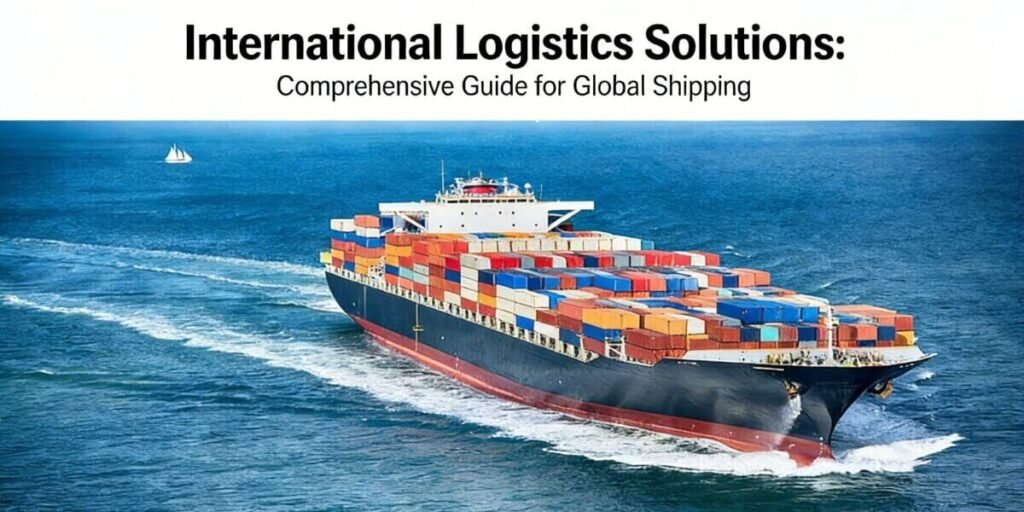
Are you planning to ship cargo from China to Santos, Brazil? This complete shipping guide covers everything you need to know, including ocean freight costs, transit times, FCL and LCL shipping options, customs clearance requirements, required import documents, and expert tips to reduce logistics costs. Learn how to choose the best shipping solution and ensure smooth, efficient cargo transportation from China to Santos.
Why Choose Santos Port for Imports From China?
Shipping Methods From China to Santos
FCL Shipping (Full Container Load)
FCL (Full Container Load) is a shipping method where a single shipper uses an entire container exclusively for their cargo. It is the most efficient and cost-effective option for businesses shipping large volumes of goods from China to Santos Port.
With FCL shipping, cargo remains sealed in the same container from origin to destination, reducing handling, minimizing the risk of damage, and improving cargo security. FCL shipments also generally enjoy faster transit times and simpler logistics compared to shared-container solutions.
Common container sizes include 20GP, 40GP, and 40HQ, making FCL suitable for machinery, electronics, furniture, building materials, auto parts, and other high-volume shipments.
LCL Shipping (Less Than Container Load)
LCL (Less Than Container Load) is a shipping method where multiple shippers share space in the same container. It is an ideal solution for businesses that do not have enough cargo to fill an entire container when shipping from China to Santos Port.
With LCL shipping, importers only pay for the space their cargo occupies, making it a cost-effective option for small and medium-sized shipments. However, because cargo from different shippers must be consolidated and deconsolidated, transit times are typically longer than FCL shipments.
LCL is commonly used for samples, small orders, e-commerce products, and businesses looking to reduce inventory costs while maintaining flexible shipping schedules.
Key Benefits of LCL Shipping:
- Lower cost per unit for large shipments .
- Faster transit and handling times .
- Reduced risk of cargo damage or loss.
- Enhanced cargo security Ideal for high-volume and heavy cargo.
- Ideal for high-volume and heavy cargo.
Which Shipping Method Is Best for Your Cargo?
The best shipping method depends on your cargo volume, budget, and delivery requirements. If you have enough goods to fill a container or require faster transit times and better cargo security, FCL shipping is usually the preferred option. For smaller shipments that do not justify the cost of a full container, LCL shipping offers a more economical and flexible solution.
As a general rule, FCL becomes more cost-effective when cargo volume exceeds 15–20 CBM, while LCL is often the better choice for smaller shipments. Evaluating your shipment size, timeline, and logistics budget can help determine the most suitable option for shipping from China to Santos Port.
Shipping Costs From China to Santos
FCL Shipping Cost Structure
When shipping a Full Container Load (FCL) from China to Santos Port, the total shipping cost consists of several charges throughout the logistics process. Understanding these cost components can help importers plan their budgets more effectively and avoid unexpected expenses.
- Origin Charges – Export customs clearance, documentation fees, and terminal handling charges at the port of departure.
- Ocean Freight – The main transportation cost charged by the shipping line.
- Carrier Surcharges – Additional fees such as fuel surcharges, peak season surcharges, and currency adjustment factors.
- Destination Charges – Terminal handling and operational fees at Santos Port.
- Customs Clearance Fees – Costs associated with import customs procedures in Brazil.
- Inland Transportation – Trucking or rail transportation from Santos Port to the final destination.
- Cargo Insurance (Optional) – Protection against cargo loss or damage during transit.
The final FCL shipping cost depends on factors such as container size, cargo type, shipping season, and market conditions.
LCL Shipping Cost Structure
LCL (Less Than Container Load) shipping costs are calculated based on the volume or weight of the cargo rather than the entire container. It is a cost-effective option for smaller shipments from China to Santos Port, allowing importers to pay only for the space they use.
- Origin Charges – Cargo consolidation, documentation, export customs clearance, and terminal handling fees
- Ocean Freight – Charged based on cargo volume (CBM) or chargeable weight.
- Destination Charges – Deconsolidation fees, terminal handling charges, and warehouse fees at Santos Port.
- Customs Clearance Fees – Costs related to Brazil’s import customs procedures.
- Inland Transportation – Delivery costs from Santos Port to the final destination.
- Cargo Insurance (Optional) – Coverage against cargo loss or damage during transit.
Compared with FCL shipping, LCL generally has lower upfront costs but may involve additional handling and slightly longer transit times due to cargo consolidation and deconsolidation.
Tip: LCL shipping is often the best choice for shipments under 15 CBM, while larger cargo volumes may benefit from switching to FCL for better cost efficiency.
Additional Charges to Consider
Common Additional Charges Include:
- Cargo Insurance – Protection against loss or damage during transit.
- Storage Charges – Fees incurred if cargo remains at the port or warehouse beyond the free storage period.
- Demurrage and Detention Fees – Charges for exceeding the allowed container usage or return time.
- Customs Inspection Fees – Costs associated with customs examinations or cargo inspections.
- Documentation Fees – Charges for preparing shipping documents and certificates.
- Port Congestion Surcharges – Additional fees that may apply during periods of port congestion.
- Special Cargo Handling Fees – Applicable for oversized, hazardous, temperature-controlled, or special cargo.
Understanding these potential charges in advance can help businesses better estimate total shipping costs and avoid unexpected expenses during the import process.
How to Reduce Shipping Costs
Transit Time From China to Santos
Average Sea Freight Transit Times
Transit Times by Major Chinese Ports
Factors Affecting Shipping Time
Main Shipping Routes From China to Santos
Shenzhen to Santos
Guangzhou (Nansha) to Santos
Shanghai to Santos
Ningbo to Santos
Customs Clearance in Santos, Brazil
Import Requirements for Brazil
Common Customs Clearance Challenges
How to Avoid Customs Delays
Required Documents for Shipping to Santos
- Commercial Invoice
- Packing List
- Bill of Lading
- Certificates and Import Licenses
Incoterms Commonly Used for Shipping to Santos
- CIF
- FOB
- FCA
- EXW
How to Choose the Best Freight Forwarder From China to Santos
Industry Experience and Expertise
Competitive Freight Rates
Customs Clearance Support
Warehousing and Cargo Consolidation
Expert Tips for Shipping From China to Santos
Plan Shipments in Advance
Optimize Container Utilization
Work With an Experienced Freight Forwarder
How Much Does Shipping From China to Santos Cost?
How Long Does Sea Freight From China to Santos Take?
Is FCL or LCL Shipping Better?
What Documents Are Required for Importing Into Brazil?
How Can I Reduce Shipping Costs?
Can I Ship Branded or Sensitive Goods to Brazil?