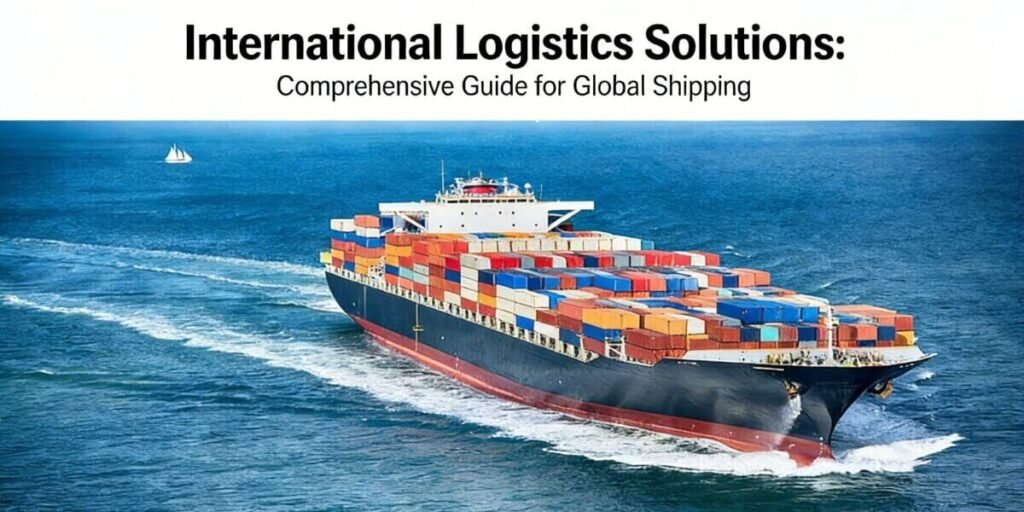
Are you looking for a reliable freight forwarder from China to Brazil? Learn how to find the right logistics partner, avoid hidden shipping costs, overcome customs challenges, and ensure secure cargo transportation. Discover expert tips to improve shipping efficiency and reduce risks when importing from China to Brazil.
Shipping Methods From China to Brazil FCL (Full Container Load)
What Is FCL Shipping?
FCL shipping is commonly used for large-volume shipments moving from China to Brazil, as it offers greater cargo security, faster transit times, and reduced handling compared to consolidated shipments. Since the cargo is not mixed with goods from other shippers, the risk of damage, loss, or customs-related delays is generally lower.
Benefits of FCL Shipping
FCL shipping is commonly used for large-volume shipments moving from China to Brazil, as it offers greater cargo security, faster transit times, and reduced handling compared to consolidated shipments. Since the cargo is not mixed with goods from other shippers, the risk of damage, loss, or customs-related delays is generally lower.
When Should You Choose FCL Shipping?
- Large shipment volumes that can utilize a significant portion of a container.
- High-value or fragile goods that require enhanced cargo security.
- Time-sensitive shipments that need to avoid delays associated with cargo consolidation and deconsolidation.
- Regular imports that benefit from predictable shipping schedules and lower handling risks.
In general, FCL shipping becomes more economical than LCL shipping when cargo volume reaches approximately 15–18 cubic meters or more, although the exact break-even point depends on freight rates, destination charges, and market conditions.
- Pro Tip: 20NOR and 40NOR Containers Can Help Reduce Shipping Costs
When shipping cargo from China to Brazil, importers may find that 20NOR and 40NOR containers are sometimes available at lower freight rates than standard dry containers (20GP/40HQ). This is mainly due to the trade imbalance between China and Brazil.
Brazil exports large volumes of meat, poultry, and other refrigerated products to China using reefer containers. As a result, shipping lines often accumulate surplus reefer equipment in China after the cargo is unloaded. To reposition these containers efficiently, carriers may offer Non-Operating Reefer (NOR) containers at competitive rates.
A NOR container is essentially a refrigerated container with the cooling system switched off and used as a standard dry container. For cargo that does not require temperature control, utilizing a 20NOR or 40NOR container can be a practical way to reduce ocean freight costs while maintaining the durability and protection of a reefer container.
LCL (Less Than Container Load) Shipping From China to Brazil
What Is LCL Shipping?
LCL (Less Than Container Load) shipping is an ocean freight solution that allows multiple shippers to share space in the same container. Instead of paying for an entire container, importers only pay for the space their cargo occupies, making LCL a cost-effective option for smaller shipments from China to Brazil.
When Should You Choose LCL Shipping?
LCL shipping is often the best choice when your shipment volume is relatively small, typically less than 15 cubic meters. It is also ideal for new importers testing the Brazilian market, businesses managing inventory carefully, or companies that require frequent but smaller shipments.
Considerations for LCL Shipping
LCL shipping is a cost-effective solution for small shipments, but importers should understand a few key considerations to avoid delays and unexpected costs when shipping from China to Brazil.
- Longer Transit Times ( LCL shipments require cargo consolidation and deconsolidation, which can make transit times longer than FCL shipping.)
- Higher Risk of Cargo Damage (Multiple shipments share the same container, resulting in more handling during transit. Proper packaging is essential to protect your cargo.)
- Additional Destination Charges (LCL shipments may involve warehouse, handling, documentation, and customs-related charges. Always request a detailed quotation before booking.)
- Accurate cargo descriptions, HS codes, weights, and dimensions help ensure smooth customs clearance and avoid additional charges.
FCL Shipping Cost Structure From China to Brazil
FCL Shipping Cost Structure From China to Brazil
Before calculating the total shipping cost from China to Brazil, it is essential to determine the transportation terms agreed upon between the supplier and the buyer. Different Incoterms define different responsibilities and cost allocations, which directly affect the freight charges payable by each party. Understanding the agreed shipping terms is the first step in accurately estimating transportation costs.
Ocean Freight Costs
Ocean freight is the core transportation charge paid to the shipping line for moving a container from China to Brazil.
Factors Affecting China to Brazil Shipping Costs
The shipping route is one of the most important factors affecting ocean freight rates. Different routes involve different sailing distances, transshipment requirements, operational costs, and transit times.
For example, shipments from South China ports such as Shenzhen and Guangzhou to Santos may follow different service routes depending on the carrier. Some vessels offer direct services, while others require transshipment through ports such as Singapore, Colombo, or Algeciras.
- Direct services provide faster transit times but may cost more.
- Transshipment services may reduce freight costs but increase transit times.
Departure and Destination Ports
Major Chinese export ports such as:
- Shenzhen
- Guangzhou (Nansha)
- Shanghai
- Ningbo
- Qingdao
- Tianjin
These ports typically offer:
- More carrier options
- Higher sailing frequency
- Better equipment availability、
- More competitive freight rates
Container Type (20GP, 40GP, 40HQ)
Container type plays a critical role in determining ocean freight costs.
Common container types include:
- 20GP (20-foot General Purpose Container)
- 40GP (40-foot General Purpose Container)
- 40HQ (40-foot High Cube Container)
Although 40HQ containers usually have higher freight rates than 20GP containers, the cost per cubic meter is often significantly lower.For large-volume shipments, selecting a 40HQ container often provides the best cost efficiency.A well-designed loading plan can substantially reduce transportation costs.
Peak Season and Market Demand
Peak Season and Market Demand.When demand exceeds available shipping capacity, carriers often increase freight rates.During these periods, importers may face:Higher freight rates,Limited vessel space ,Increased risk of rolled ,cargo Longer booking lead times.Booking space several weeks in advance can help secure better rates and available space.
Carrier Selection
Selecting the right shipping carrier is a critical factor in managing ocean freight costs and ensuring reliable cargo transportation from China to Brazil. Different carriers offer varying transit times, service networks, equipment availability, sailing schedules, and pricing structures. While some shipping lines may provide lower freight rates, others may offer faster transit times, more stable schedules, and better cargo tracking services.
When comparing shipping options, importers should evaluate more than just the ocean freight rate. Factors such as schedule reliability, transit time, port coverage, equipment availability, and customer service can have a significant impact on overall supply chain performance. Choosing a carrier solely based on the lowest price may result in delays, additional charges, or disruptions that ultimately increase total logistics costs.
For businesses shipping regularly from China to Brazil, working with an experienced freight forwarder can help identify the most suitable carrier based on cargo requirements, budget, and delivery timelines. This approach not only improves shipping efficiency but also reduces risks and enhances long-term logistics performance.
: Fuel Surcharges and Additional Fees
Fuel costs are a major factor influencing ocean freight rates from China to Brazil. As global fuel prices fluctuate, shipping lines regularly adjust their pricing structures by introducing or modifying various surcharges. These additional fees can significantly impact the total shipping cost, especially during periods of market volatility or rising energy prices.
Common surcharges include the Bunker Adjustment Factor (BAF), Emergency Bunker Surcharge (EBS), Peak Season Surcharge (PSS), and Port Congestion Surcharge. Depending on market conditions, these charges may change with little notice and can vary between carriers and shipping routes.
To avoid unexpected logistics expenses, importers should carefully review freight quotations and confirm whether all applicable surcharges are included in the final rate. Comparing multiple carrier options and working with an experienced freight forwarder can help businesses better manage transportation costs and improve supply chain planning.
Expert Advice: How to Reduce China to Brazil Shipping Costs
Successfully reducing shipping costs from China to Brazil requires more than simply choosing the lowest freight rate. Importers should focus on improving overall logistics efficiency by selecting the right container type, maximizing container space utilization, and planning shipments according to seasonal market conditions. Early booking during peak seasons can help secure better freight rates and avoid costly delays caused by limited vessel space.
In addition, partnering with an experienced freight forwarder can provide significant cost-saving opportunities. A professional logistics partner can assist with cargo consolidation, container loading optimization, carrier selection, and route planning. By leveraging industry expertise and established carrier relationships, freight forwarders can help businesses secure competitive ocean freight rates, improve transit efficiency, and reduce overall supply chain costs.
For companies importing regularly from China to Brazil, implementing a long-term logistics strategy rather than making shipment decisions based solely on price can lead to greater cost control, improved reliability, and sustainable supply chain performance.
LCL Shipping Costs From China to Brazil
Less than Container Load (LCL) shipping is a cost-effective solution for businesses that do not have enough cargo to fill an entire container. Instead of paying for a full container, multiple shippers share container space and split transportation costs. However, because LCL shipments involve cargo consolidation and deconsolidation processes, the cost structure is often more complex than FCL shipping.
Ocean Freight Charges for LCL Shipments
The standard calculation method for LCL ocean freight is:
Ocean Freight = Cargo Volume (CBM) × Freight Rate per CBM
For example, if a shipment occupies 8 CBM and the ocean freight rate is USD 120 per CBM, the estimated ocean freight cost would be USD 960.
Origin Charges at the Port of Departure
Additional Costs in LCL Shipping
While ocean freight is the primary transportation cost in LCL shipping, it is only one part of the total logistics expense. Unlike FCL (Full Container Load) shipments, LCL cargo must go through multiple handling stages, including cargo consolidation at origin, container loading, destination deconsolidation, and customs clearance. As a result, LCL shipments often involve additional charges that importers should understand before booking cargo from China to Brazil.
Origin Charges at the Port of Departure
Before cargo is loaded onto a vessel, several origin charges may apply. These fees cover the handling and preparation of cargo at the departure port in China.
Common origin charges include:
- CFS Receiving Fee – Charges for receiving cargo at the Container Freight Station (CFS).
- Consolidation Fee – Fees associated with combining cargo from multiple shippers into one container.
- Documentation Fee – Costs related to preparing shipping documents and export paperwork.
- Export Customs Clearance Fee – Charges for customs declaration and export processing.
- Export Customs Clearance Fee – Charges for customs declaration and export processing.
- Origin Handling Charges (OHC) – Operational costs incurred at the departure port.
Destination Charges in Brazil
Once the container arrives in Brazil, the cargo must be unloaded, separated, and prepared for customs clearance and delivery. These destination services generate additional charges that are usually paid by the consignee.
- Destination Handling Charges (DHC) – Terminal and operational handling fees.
- Deconsolidation Fee – Charges for unloading and separating cargo from the shared container.
- Delivery Order Fee (D/O Fee) – Fees for issuing cargo release documents.
- Warehouse Handling Charges – Costs associated with temporary cargo storage and handling.
- Customs Clearance Fee – Charges for import customs processing.
Additional Costs in LCL Shipping
Depending on the cargo type, shipping season, and customs requirements, importers may also face additional charges during transportation.
These may include:
- Cargo Insurance
- Port Storage Charges
- Customs Inspection Fees
- Peak Season Surcharges (PSS)
- Fuel Surcharges (BAF / EBS)
- Port Congestion Charges
Importers should pay particular attention to storage and inspection charges, as these costs can increase significantly if cargo is delayed at the port or selected for customs examination.
Hidden Charges in China to Brazil Shipping
Many importers focus only on the ocean freight rate when comparing quotations. However, the lowest freight rate does not always mean the lowest total shipping cost. Additional handling charges, destination fees, and customs-related expenses can significantly impact the final logistics budget.
To avoid unexpected expenses, importers should request a detailed quotation that clearly lists all origin charges, ocean freight costs, destination charges, and potential surcharges before confirming a shipment.
Expert Tip for Importers
For small and medium-sized shipments, LCL (Less than Container Load) shipping is often the most cost-effective solution, as importers only pay for the cargo space they use rather than the entire container. This makes LCL an ideal option for startups, trial orders, and businesses with lower shipment volumes.
However, as cargo volume increases, the cost advantage of LCL shipping gradually decreases. Once the shipment volume reaches approximately 12–15 CBM, importers should compare both LCL and FCL shipping costs before making a decision. Although FCL transportation may appear more expensive at first glance, the cost per cubic meter is often significantly lower than LCL freight rates.
In addition to lower transportation costs, FCL shipping offers several operational advantages. Since the container is used exclusively for one shipper’s cargo, there is no need for consolidation or deconsolidation procedures. This reduces cargo handling, minimizes the risk of damage, contamination, or misplacement, and often results in faster transit times and more predictable delivery schedules.
For businesses shipping regularly from China to Brazil, working with an experienced freight forwarder can help optimize container utilization, improve cargo planning, and identify the most cost-efficient shipping solution. Proper logistics planning not only reduces transportation expenses but also enhances supply chain efficiency and supports sustainable business growth.
FAQ: Ship from China to Brazil
Sea freight from China to Brazil usually takes 30–50 days. Transit time varies by origin port, destination port, carrier, shipping route, and customs clearance.
Common import documents include a Commercial Invoice, Packing List, Bill of Lading, and any required licenses or certificates. Additional documents may be needed depending on the product type.
The main Brazilian import ports are Santos, Paranaguá, Rio de Janeiro, Itajaí, and Manaus. Santos is the largest and most commonly used port for shipments from China.
You can reduce shipping costs by optimizing packaging, consolidating cargo, maximizing container space, and booking shipments early. Choosing the right shipping method also helps lower costs.
Yes. Brazil allows the import of branded and sensitive goods, including batteries, electronics, cosmetics, and liquids, subject to customs compliance and documentation requirements.
The cost of shipping from China to Brazil depends on several factors, including the shipping method (FCL or LCL), cargo volume, container type, departure and destination ports, carrier selection, and current market conditions. Ocean freight rates can also fluctuate due to seasonal demand, fuel costs, and port congestion.
Generally, FCL shipments are charged per container, while LCL shipments are charged based on cargo volume (CBM). In addition to ocean freight, importers should also consider origin charges, customs clearance fees, destination handling charges, and any applicable taxes or surcharges.
Conclusion
Choosing the best freight forwarder from China to Brazil is about much more than finding the lowest shipping rate. A reliable logistics partner can help businesses navigate complex international shipping processes, optimize transportation costs, manage customs clearance requirements, and ensure cargo arrives safely and on time.
Whether you are shipping a full container load (FCL) or less than container load (LCL), understanding the complete shipping cost structure, transit times, customs regulations, and carrier options is essential for making informed logistics decisions. By planning shipments carefully and working with an experienced freight forwarder, importers can reduce risks, improve shipping efficiency, and gain greater control over their supply chain.
As trade between China and Brazil continues to grow, selecting a freight forwarder with strong local expertise, competitive carrier resources, and comprehensive logistics services can provide long-term value for your business. The right logistics partner will not only help you move cargo efficiently but also support the sustainable growth of your international trade operations.