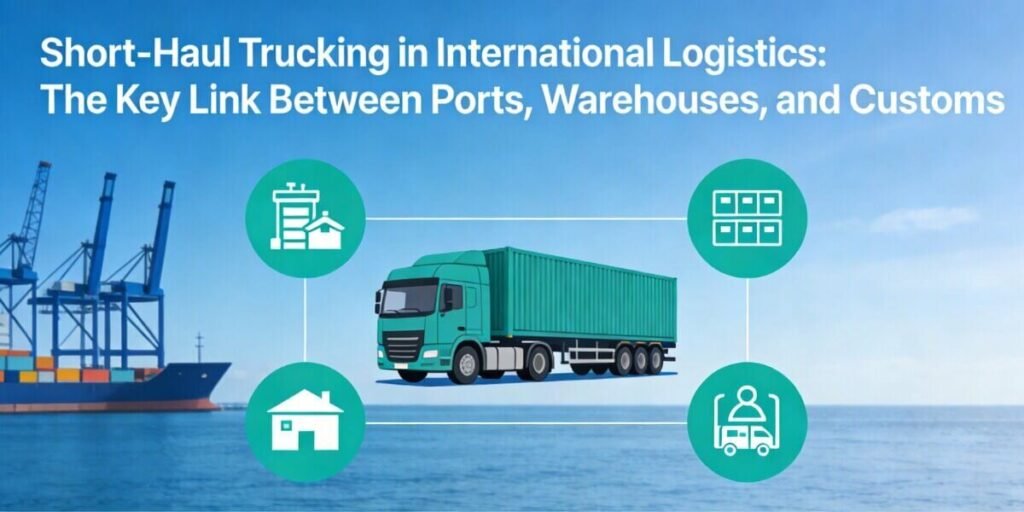
In the fast-paced world of international logistics, short-haul trucking plays a critical yet often overlooked role. It refers to the transportation of goods over relatively short distances, typically between ports, warehouses, and customs facilities, ensuring that cargo moves efficiently through the supply chain. Without reliable short-haul trucking, shipments can face frustrating delays. Containers may pile up at congested ports, warehouses risk overcrowding, and customs clearance can be slowed, ultimately impacting delivery schedules and business operations. By bridging these crucial gaps, short-haul trucking serves as the vital link that keeps global trade running smoothly.
The Role of Short-Haul Trucking in Global Supply Chains
In real-world operations, short-haul trucking often plays a critical role in preventing costly delays at the port. Most terminals allow only a few free days for container storage, and if trucks are not scheduled on time, demurrage and detention fees can quickly accumulate.
Short-haul trucking goes beyond mere transportation; it requires coordinating with customs brokers, confirming container releases, securing port appointments, and ensuring chassis availability. If customs clearance is completed but no truck is ready, storage costs rise. Conversely, if a truck arrives before the necessary documents are prepared, the pickup may be rejected.
By swiftly moving containers from ports to nearby warehouses, short-haul trucking alleviates congestion, enhances inventory planning, and keeps the supply chain operating smoothly. In practice, reliable short-haul services have a direct impact on delivery speed, cost efficiency, and overall logistics performance.
Key Considerations for International Logistics Efficiency
Port Operations Supporting Regional Freight Delivery
In actual port operations, short-haul trucking is closely tied to terminal schedules and container release procedures. After a vessel is discharged, containers must be picked up within the free storage period. Trucking companies need to secure terminal appointments, confirm customs clearance, and check container release status before drivers can enter the port.
Drivers often face long queues, limited pickup time windows, and chassis shortages especially during peak seasons. If timing is not well coordinated, containers may miss their pickup slot and incur additional storage fees.
Short-haul trucking also acts as a buffer between the port and inland warehouses. By quickly transferring containers out of the terminal yard, it reduces congestion and keeps cargo flowing to the next stage of the supply chain. In practice, efficient coordination at this stage directly impacts delivery timelines and overall logistics costs.
Warehouses & Distribution Centers for Last-Mile Transport
In real-world operations, short-haul trucking ensures that warehouses and distribution centers keep pace with incoming and outgoing shipments. Timely truck arrivals allow staff to unload containers, sort goods, and stage orders efficiently, preventing dock congestion and workflow delays.
Experienced operators coordinate deliveries with warehouse schedules, adjust for peak traffic, and communicate with inventory teams to ensure docks are ready. Even small timing errors can create bottlenecks, slow order fulfillment, and impact downstream deliveries.
By maintaining predictable and reliable transport, short-haul trucking supports smooth inventory turnover, minimizes storage backlogs, and keeps the supply chain responsive to customer demand.
Customs and Compliance in Cross-Border Short-Distance Shipping
In the real world, short-haul trucking often decides whether customs goes smoothly or turns into a headache. Imagine a truck arriving at the port only to find the inspection window has closed containers sit idle, storage fees start ticking, and the warehouse schedule gets thrown off. Experienced operators avoid this by constantly checking with customs brokers, confirming container release, and timing arrivals to match inspection slots.
During peak periods, they even plan routes around traffic jams or terminal congestion, ensuring trucks reach the gate right when documents are ready. When done right, cargo is inspected, classified, and cleared quickly, keeping the supply chain flowing without unnecessary delays. Reliable short-haul trucking at this stage is not just transport, it’s the difference between smooth operations and costly disruptions.
Practical Advantages & Challenges of Short-Haul Transport
Benefits of Short-Haul Trucking in International Cargo Transit
1. Flexible Scheduling for Regional Deliveries
Short-haul trucking provides unparalleled adaptability in daily operations.
- Dynamic routing: Routes and schedules can be adjusted in real time to meet sudden changes in demand.
- Practical example: Imagine a local warehouse unexpectedly runs out of stock. A short-haul truck can be rerouted immediately to deliver the missing goods, preventing delays in the supply chain.
- Operational insight: Dispatchers often rely on GPS tracking, live traffic data, and local driver knowledge to optimize routes on the fly, ensuring deliveries stay on schedule even under unpredictable circumstances.
2. Fast and Responsive Last-Mile Shipping
Short distances enable quick turnaround times, which is critical for urgent shipments.
- On-the-ground reality: Urban same-day deliveries are feasible with short-haul trucks something long-haul logistics cannot easily achieve.
- Real-world note: Restaurants, pharmacies, and retail stores often depend on these trucks to receive last-minute restocks or perishable goods. This speed can significantly enhance customer satisfaction and loyalty.
3. Optimizing Route Planning for Short-Distance Freight
Planning short-haul trips is generally straightforward and less dependent on complex route optimization.
- Operational benefit: Dispatchers can accommodate ad-hoc orders or last-minute client requests without major disruptions.
- Practical insight: Shift schedules can be rotated or adjusted daily based on actual demand. This minimizes idle time for drivers and vehicles, improving overall fleet efficiency.
4. Seamless Integration with Rail, Sea, and Air Transport
Short-haul trucks often serve as the “last-mile” link in multi-modal transport systems.
- Logistics synergy: Trucks pick up shipments from rail terminals, seaports, or air cargo hubs and deliver them directly to stores or warehouses.
- Field experience: Without efficient short-haul delivery, shipments may sit idle at ports or distribution centers, creating unnecessary bottlenecks and additional costs. By bridging major hubs and final destinations, short-haul trucking ensures smoother, faster supply chains.
Challenges in Short-Haul Logistics for Global Operations
1. Traffic Congestion and Urban Delivery Delays
Urban traffic can significantly slow down deliveries, even over short distances.
- Realistic scenario: Rush hours, construction zones, or city events can turn a 30-minute route into a 2-hour ordeal.
- Driver insight: Experienced drivers use local shortcuts, timing strategies, and traffic apps to bypass bottlenecks, but unpredictable conditions can still cause delays.
2. Managing Peak Period Short-Haul Routes
Certain times of the year or month create pressure on short-haul logistics.
- Examples: Holidays, end-of-month inventory surges, and large public events often increase traffic and demand simultaneously.
- Operational impact: Businesses that rely on strict delivery windows may experience bottlenecks, requiring careful planning and buffer time to avoid missed deadlines.
3. Driver and Vehicle Coordination in Regional Shipping
Short-haul trucking comes with significant operational costs.
- Cost factors: Hiring drivers, scheduling shifts, maintaining vehicles, and covering fuel expenses add up quickly.
- Practical experience: Even a single breakdown or driver absence can leave a truck idle, disrupting deliveries and lowering overall efficiency. Fleet managers need contingency plans and backup vehicles to mitigate such risks.
4. Regulatory Complexity in Cross-Border Freight
Short-haul trips across borders can introduce unexpected challenges.
- Legal landscape: Each country has unique rules, permits, and customs procedures.
- Operational note: Even a short trip across a neighboring country may require additional paperwork, inspections, and compliance checks. Ignoring these requirements can lead to fines, shipment delays, or even cargo seizure.
Case Study: Port-to-Warehouse Short-Haul Operations
Our logistics company recently implemented a short-haul trucking solution for shipments moving from a major port to our nearby warehouse and then onward to customs clearance. The project was led by Vincent, our operations manager, who personally oversaw the scheduling, routing, and coordination of drivers and warehouse staff.
Morning Preparation for Short-Distance Deliveries
At 6:30 AM, Vincent and the dispatch team reviewed the day’s incoming shipments. Trucks were lined up at the port, waiting for unloading. Vincent checked the vessel arrival schedule and coordinated with warehouse staff to ensure staging areas were ready for immediate offloading.
- Driver Briefing: Each driver received instructions on which warehouse bay to unload, expected traffic hotspots, and timing for customs documentation handoff.
- Route Planning: Dispatchers adjusted routes in real time using traffic apps and local knowledge, aiming to avoid urban congestion and construction zones.
“Even a 15-minute delay at the port can cascade into multiple hours lost later,” Vincent reminded the team.
Midday Execution of Efficient Regional Transport
By 8:00 AM, trucks started moving cargo from the port to the warehouse.
- Fast Turnaround: The short distance allowed a truck to make multiple trips in a single morning.
- On-the-Ground Challenges: One driver reported a traffic jam near a city bridge. Using live updates, the dispatcher rerouted him through an alternative path, saving nearly 20 minutes.
- Warehouse Coordination: As trucks arrived, warehouse staff were ready to offload pallets immediately, sort them by customs requirements, and prepare documents for the customs officer.
Driver’s perspective: “I feel like a relay runner drop off here, pick up there, always moving. Timing is everything.”
Afternoon Streamlining of Customs Clearance
Once cargo reached the warehouse, Vincent ensured that documentation was complete and ready for submission to customs.
- Proactive Management: Any missing paperwork was flagged instantly, avoiding last-minute surprises.
- Integration with Multimodal Transport: Shipments arriving from rail or sea were staged efficiently, allowing trucks to deliver directly to customs without delays.
Result: Goods reached customs on time, avoiding penalties and unnecessary storage fees.
Results and Performance Insights from Short-Haul Transport
- 25% Faster Delivery: Coordinated scheduling and optimized routing reduced total transportation time significantly.
- 15% Cost Savings: Lower fuel consumption, fewer idle hours, and better driver utilization decreased operational expenses.
- Real-World Takeaway: Short-haul trucking is not just about trucks it’s about people, timing, and coordination. Vincent emphasized that smooth communication between drivers, dispatchers, and warehouse staff is the key to success.
Key Lessons Learned in International Last-Mile Logistics
- Real-Time Route Adjustments Are Critical: Traffic is unpredictable; active monitoring and quick rerouting prevent delays.
- Warehouse Readiness Makes a Difference: Pre-staging shipments for customs ensures seamless handoff.
- Team Coordination Beats Technology Alone: Even the best GPS or software cannot replace experienced drivers and proactive dispatchers.
- Short-Haul Can Multiply Efficiency: Multiple trips per day and fast turnaround times make short distances more valuable than long-haul routes for last-mile operations.
Frequently Asked Questions on Short-Haul Cargo Transit
Short-haul transport generally covers distances of 100–200 km, mainly handling port-to-warehouse deliveries, customs clearance, and local distribution. In contrast, long-haul transport involves longer distances across cities, regions, or countries, focusing on interstate or international logistics.
Yes, short-haul trucking can transport dangerous goods, but it must strictly follow dangerous goods regulations. This includes correct UN numbers, proper packaging, accurate documentation, and comprehensive safety procedures to ensure compliance and prevent accidents.
When selecting a short-haul trucking provider, consider:
1. Experience and industry reputation – Look for companies with proven track records in local logistics.
2. Regulatory compliance – Ensure they follow local and international transport laws.
3. Fleet management capabilities – Modern fleets with GPS tracking and well-maintained vehicles.
3. Real-time tracking systems – Provides visibility and timely updates for shipments.
Efficient short-haul trucking can significantly reduce international shipping costs by:
1. Minimizing port demurrage fees
2. Lowering storage costs at terminals or warehouses
3. Avoiding delay penalties due to late deliveries
By optimizing local transport, shippers can improve overall supply chain efficiency and achieve cost savings.
Short-haul trucking faces several challenges, including:
1. Traffic congestion and peak-hour delays
2. Driver and vehicle management costs
3. Cross-border regulations for international shipments
4. Weather conditions affecting delivery schedules
Proper planning, route optimization software, and experienced drivers are crucial to mitigate these issues and ensure smooth operations.
Conclusion: Enhancing Efficiency in Short-Haul Operations
From years of experience in logistics, I know that short-haul trucking can make or break a shipment. Even if your international freight moves smoothly, delays often happen in the first or last mile, whether at the port, during customs clearance, or stuck in city traffic. These small delays can quickly add extra costs and frustrate clients. For a comprehensive guide to international freight export logistics, you can check our detailed guide here to understand the full export process.
The companies that perform consistently well are those that invest in experienced local drivers, maintain reliable fleets, and use real-time tracking to stay ahead of potential problems. Short-haul trucking is not just about moving goods from point A to point B. It is about anticipating bottlenecks, adjusting routes in real time, and making sure every delivery meets the schedule.
In practice, short-haul logistics is where planning meets reality. The difference between a smooth supply chain and one full of issues comes down to careful preparation and strong partnerships. Getting this part right saves time, reduces costs, and builds trust with customers, something spreadsheets and charts cannot fully capture.
Call to Action: Improve Your Regional Freight Delivery Today
Ready to make your short-haul transport more reliable and efficient? From years of handling shipments at ports and warehouses, I’ve seen how small delays in the first or last mile can quickly turn into extra costs or missed deadlines. Take a close look at your current transportation plan and identify where bottlenecks, traffic, or paperwork may be slowing you down.
Whether you are moving sensitive goods, regulated materials, or shipments with complex export requirements, the key is practical planning, risk prevention, and on-the-ground coordination. With the right strategies, you can reduce unnecessary costs, avoid delays, and make your supply chain more predictable.
Reach out to us for hands-on logistics advice or a tailored short-haul transport plan that fits your operations. We focus on real-world solutions that work in practice, not just on paper.
📩 vincent.qiu.logistics@gmail.com
📞 +86 15019337764
📷 Instagram @qiulogistics
Follow us for more expert tips on export shipping and international freight, or reach out for personalized logistics support tailored to your shipment needs.
Related Articles on International Short-Haul Logistics
- International Logistics Solutions: Comprehensive Guide for Global Shipping
- Shipping Counterfeit & Brand-Sensitive Goods Internationally: Tips and Best Practices
- Third-Party Customs Declaration: Key Compliance Steps for Safe Shipping
- Dangerous Goods Shipping Guide: Regulations, Documentation, and Safe Transport
- FCL Export Basics: Types of Full Container Load Shipping