Shipping brand-sensitive and counterfeit goods internationally is a complex and high-risk process. From strict customs inspections to potential legal and compliance issues, transporting these items requires careful planning and expert handling. Ensuring safety, adhering to regulations, and managing potential risks are critical at every stage of the shipment. In this article, we will provide practical tips and best practices to help businesses and individuals navigate the challenges of shipping high-risk and brand-sensitive products across borders efficiently and securely.
What Are Brand-Sensitive & Counterfeit Goods?
Defining Brand-Sensitive & Counterfeit Goods
In international shipping, it is important to understand the difference between brand-sensitive goods and counterfeit goods, as they involve very different handling requirements and risks.
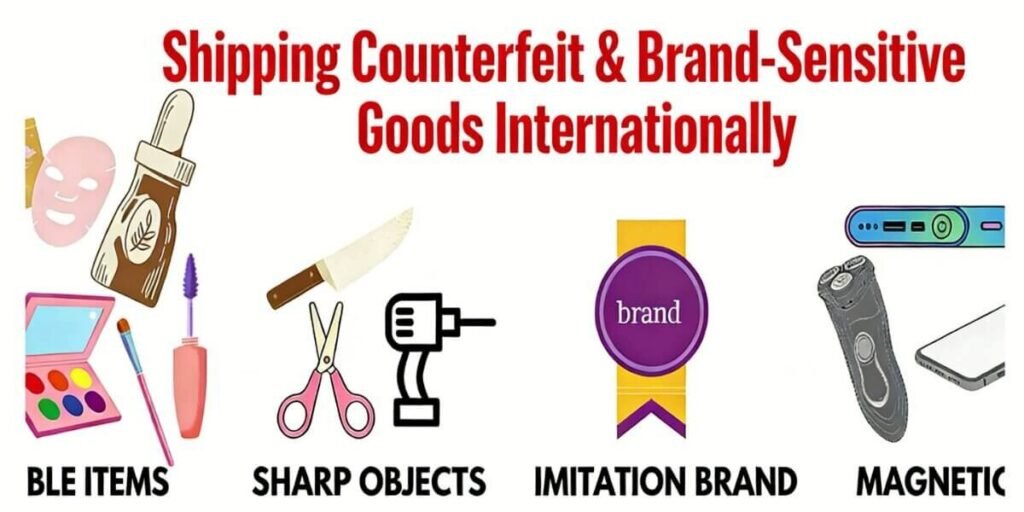
Brand-sensitive goods refer to products that contain or are associated with recognizable brand names, logos, or trademarks. These goods are not necessarily illegal and may include genuine products or items with brand-related packaging. However, because they involve intellectual property, customs authorities in many countries may inspect them more carefully. In practice, shippers usually need to choose appropriate logistics channels, provide clear product descriptions on invoices, and avoid unnecessary brand markings on outer packaging to reduce the risk of inspection or delays.
Counterfeit goods, by contrast, are products that imitate or copy the branding, design, or trademarks of well-known brands without authorization. These items violate intellectual property laws in many countries. If identified during customs inspection, they may be seized or destroyed, and the shipper or importer could face fines or legal consequences. For this reason, most legitimate logistics providers do not accept counterfeit goods for international transport.
In simple terms, brand-sensitive goods require careful handling during shipping, while counterfeit goods carry significant legal risks and should not be transported.
Examples of Brand-Sensitive and Counterfeit Goods
Common examples include luxury items, high-value electronics, and limited-edition products. These goods are often targeted by customs for inspection due to their high market value or brand recognition. They may also attract extra attention from carriers or authorities to ensure compliance with international shipping regulations.
Why Shipping These Goods Is High-Risk
Transporting brand-sensitive or counterfeit goods is risky due to several factors:
- Customs Inspections: High-value or branded items are frequently flagged for detailed examination.
- Carrier Refusal: Shipping companies may refuse to transport goods they consider high-risk.
- Legal Liability: Counterfeit goods are illegal to ship in many regions, which can lead to fines, confiscation, or even criminal charges.
Risks and Challenges in International Shipping
Customs Inspections and Seizures
High-value or brand-sensitive goods are often flagged by customs authorities for detailed inspections. Shipments may be delayed, partially held, or even seized if there is any suspicion regarding the authenticity or compliance of the goods.
Carrier Refusal
Airlines and shipping companies may refuse to transport items they consider high-risk, such as counterfeit products or brand-sensitive goods. This can lead to unexpected delays and the need to find alternative carriers with the appropriate expertise.
Non-Compliant Packaging
Improper or inadequate packaging increases the risk of damage during transit and may also violate carrier or regulatory standards. Properly labeled and secure packaging is essential to prevent accidents and ensure smooth shipping.
Missing or Inaccurate Documentation
Incomplete or incorrect shipping documents, such as commercial invoices, bills of lading, or customs declarations, can cause shipments to be returned or held at the border. Accurate documentation is crucial for compliance and to avoid costly delays.
Legal and Compliance Risks
Transporting counterfeit or brand-sensitive goods without proper authorization may result in severe legal consequences, including fines, confiscation of goods, or criminal liability. Compliance with local and international regulations is essential for safe shipping.
Pre-Shipment Preparation & Best Practices
Classification and Declaration
Clearly identify the nature of your goods and assess their risk level before shipping. Proper classification ensures that customs authorities understand what is being transported and helps prevent delays, fines, or confiscation.
Packaging and Labeling
Ensure that your goods are packed securely and labeled according to the requirements of both the carrier and the destination country. Proper packaging protects the items during transit and helps meet regulatory and carrier standards.
Documentation and Proof
Prepare all necessary shipping documents, including commercial invoices, bills of lading, and any compliance certificates. Accurate and complete documentation is essential for smooth customs clearance and legal compliance.
Choosing a Professional Logistics Provider
Work with a logistics company experienced in handling high-risk or brand-sensitive shipments. A professional provider can navigate complex regulations, manage risks, and ensure that your goods arrive safely and on time.
Precautions during transportation
Track Shipment Status Continuously
Monitor your goods throughout the shipping process to stay informed of their location and condition. Real-time tracking helps identify delays or issues early, allowing for timely intervention.
Risk Monitoring and Contingency Planning
Implement risk monitoring procedures and prepare contingency plans for potential problems, such as customs holds, delays, or carrier issues. Being proactive reduces the impact of unexpected events.
Maintain Communication with Carriers
Stay in regular contact with your logistics provider to ensure compliance with regulations and smooth handling of your shipment. Clear communication helps prevent misunderstandings and ensures that all requirements are met.
Protect Cargo Privacy and Confidentiality
Safeguard sensitive information about your shipment to prevent misuse or unauthorized access. Maintaining confidentiality is especially important for brand-sensitive or high-value goods.
Destination Customs & Delivery
Prepare Customs Documentation
Ensure that all required customs documents are ready before your shipment arrives, including commercial invoices, packing lists, and any compliance certificates. Proper preparation helps prevent delays and smoothens the clearance process.
Avoid Common Return Issues
Take proactive measures to prevent shipments from being returned due to incomplete documentation, incorrect labeling, or non-compliance with destination country regulations. Careful planning reduces the risk of costly returns and disruptions.
Ensure Compliant Delivery and Risk Assessment
Verify that your goods are delivered in accordance with all legal and regulatory requirements. Conduct a risk assessment to identify potential issues at the destination and ensure safe, compliant handover to the recipient.
Frequently Asked Questions
No. Counterfeit goods are illegal to manufacture, sell, or transport in most countries. Shipping counterfeit items carries high legal and financial risks, including confiscation, fines, and potential criminal liability.
Choose a provider with experience in high-risk or brand-sensitive shipments. Verify their track record, compliance procedures, and ability to manage customs documentation, risk monitoring, and secure transport.
Costs are typically higher due to additional handling, specialized packaging, compliance checks, and insurance. The exact difference depends on shipment value, destination, and logistics provider.
Contact your logistics provider immediately. Review the documentation, provide missing information, and work with customs authorities to resolve issues. Proper pre-shipment preparation reduces this risk.
Yes. Proper packaging, accurate labeling, and transparent declaration help prevent damage, misidentification, or legal issues. Working with experienced carriers ensures compliance and safer transport.
Conclusion
Shipping brand-sensitive and high-risk goods internationally requires careful attention to safety, compliance, and professional logistics management. Advance planning, thorough risk assessment, and selecting a reliable logistics partner are essential to ensure smooth and secure transportation. It is important to remember that transporting high-risk or counterfeit items must strictly adhere to legal and regulatory requirements to avoid fines, delays, or legal consequences.
Call-to-Action (CTA)
For safe and efficient shipping of brand-sensitive or high-risk goods, consult a professional logistics company with experience in handling such shipments. Their expertise can help you navigate complex regulations, minimize risks, and ensure your goods arrive securely.
Stay informed and improve your international shipping knowledge by subscribing to our blog for more tips, best practices, and updates on transporting brand-sensitive and high-risk products.
Contact us for professional logistics consultation or a customized short-haul transport solution:
📩 vincent.qiu.logistics@gmail.com
📞 +86 15019337764
📷 Instagram @qiulogistics
Follow us for more expert tips on export shipping and international freight, or reach out for personalized logistics support tailored to your shipment needs.