Third-party customs declaration is a service that helps businesses simplify international shipping by letting a professional customs agent handle all the necessary paperwork. This includes commercial invoices, packing lists, and any permits required for regulated or sensitive goods. By relying on an expert, shipments are more likely to move smoothly through customs, reducing delays and minimizing the risk of fines.
For exporters and importers, this service saves time, ensures documentation is accurate, and keeps the supply chain running efficiently. It’s a practical solution for companies that want to focus on their core business while staying fully compliant with international shipping regulations.
What is a Third-Party Customs Declaration?
Working with a third-party customs agent can really take the pressure off when you’re dealing with international shipping. Instead of trying to figure out every regulation yourself, you just need to make sure your basic information is clear from the beginning. That includes your company details, accurate product descriptions, HS codes, quantities, and declared values. If these details are correct upfront, you avoid most of the common delays later. For a complete overview of international freight and export logistics, see our Comprehensive Guide to International Freight & Export Logistics.
After that comes the documentation. Commercial invoices and packing lists are standard, but if your shipment includes regulated items like chemicals or certain electronic products, you may also need additional licenses or certificates. A professional customs agent will review everything carefully before submitting it into the customs system, which greatly reduces the risk of errors.
Once the declaration is submitted, customs authorities review the HS codes, duties, and tax calculations. In some cases, they may request extra documents or arrange a physical inspection. This is usually where experience matters most. A seasoned agent knows how to respond quickly and communicate clearly with customs officers, helping your shipment move forward without unnecessary delays.
After duties and taxes are settled, the cargo is released. Meanwhile, your agent keeps records, provides status updates, and ensures compliance with local regulations.
In short, a reliable third-party customs service doesn’t just handle paperwork. It gives you peace of mind and allows you to focus on your core business instead of navigating complex customs procedures.
Tips for Compliant Third-Party Customs Declarations

In customs clearance, most problems don’t come from big issues. They usually come from small inconsistencies.
We’ve seen shipments delayed simply because the HS code didn’t fully match the product description, or the declared value looked too low compared to market price. Even a small difference in quantity between the invoice and packing list can trigger questions from customs. When that happens, clearance slows down immediately.
Documentation is where many companies underestimate the risk. An unsigned commercial invoice, missing certificate, or incorrect product description can cause the cargo to be put on hold. For items like lithium batteries, liquids, or other controlled goods, the scrutiny is even stricter. These shipments often require additional permits, test reports, compliant labeling, and approved packaging. If one element is missing, customs may stop the release until everything is clarified.
Timing is another factor that people only realize after facing storage charges. If documents are submitted late or corrections are needed after arrival, the goods may sit at the port or airport accumulating fees. Preparing and reviewing everything before the cargo arrives makes a significant difference, especially during peak seasons.
In our experience, the real value of a third-party customs agent is not just submitting declarations. It’s about reviewing details in advance, identifying potential risks, and communicating directly with customs officers when questions arise. That proactive approach often prevents minor issues from turning into costly delays.
At the end of the day, smooth customs clearance is rarely accidental. It comes from careful preparation, accurate declarations, and knowing how to respond quickly when customs asks questions. That practical experience is what keeps shipments moving.
Step-by-Step Export and Import Declaration Process
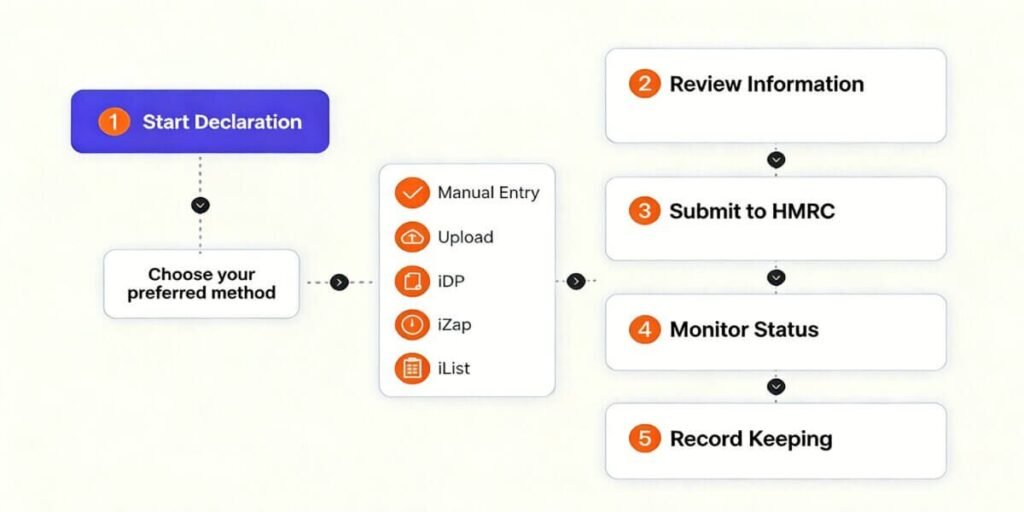
Working with a third-party customs service can make international shipping easier, but it’s not completely stress-free. The first thing you need is accurate information company details, product descriptions, HS codes, quantities, and declared values. Mistakes here can still cause delays or fines.
Next comes the paperwork. You’ll need commercial invoices, packing lists, and any licenses or certificates for restricted items like chemicals, batteries, or electronics. A good agent can help organize and submit these documents correctly, but you still need to provide complete and accurate information.
Customs will review your shipment, checking codes, duties, and taxes. Sometimes they’ll ask for extra documents or inspect the shipment. Experienced agents can guide you through these situations and help resolve issues faster, but they can’t prevent inspections entirely.
Once duties are paid, your shipment can be released. Agents also keep records and update you on progress, so you know where things stand. Using a reliable third-party service doesn’t remove all the work, but it can help you avoid common mistakes and save time, letting you focus more on running your business.
Essential Documents for Fast Customs Clearance
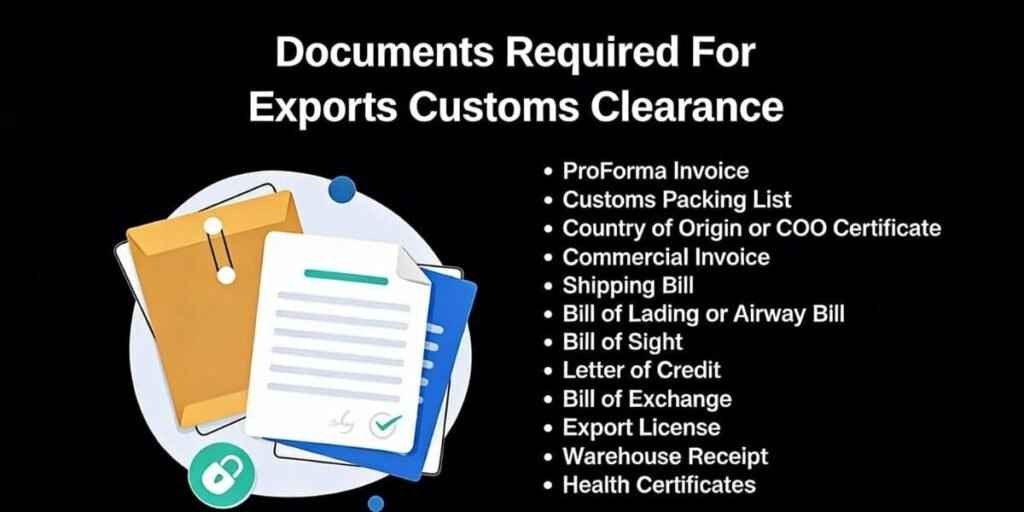
Getting your customs declaration right can really save you a lot of headaches at the border, but in practice, it’s rarely as smooth as the guides make it sound. The first thing is the basics: shipper and receiver info. Sounds obvious, but I’ve seen shipments delayed because the company name on the invoice didn’t exactly match what was entered in the system, even a missing comma can trigger a manual check. Double-check addresses and contacts, they have to match exactly.
Next, the product description. Don’t just write “electronics” or “tools.” Customs officers need specifics. For example, if you’re shipping portable batteries, write “lithium-ion battery packs for consumer devices” instead of just “batteries.” This avoids confusion and reduces the chance of them flagging your shipment for inspection.
Quantity, weight, and declared value matter more than most people realize. I’ve had shipments stuck because the weight on the declaration was a few kilograms off from the actual shipment. Declared value should always reflect the real transaction, not an estimate, and the country of origin must be correct, some duties change just based on that.
HS codes are another place where mistakes happen. Using the wrong code can trigger fines or extra inspections. If you’re not confident, a third-party customs agent can save you a lot of stress, they’ve seen all the tricky ones and know how customs interprets them.
Finally, don’t underestimate a last-minute check. Missing a certificate, a slightly off weight, or vague product descriptions can hold up your shipment for days. A little extra time reviewing the declaration can prevent big delays. In real-world shipping, it’s not about making a perfect form on the first try, it’s about knowing the common pitfalls and checking them before submission. That’s what keeps your shipments moving and avoids surprises at customs.
Choosing the Right Forms and Permits for Customs Declarations
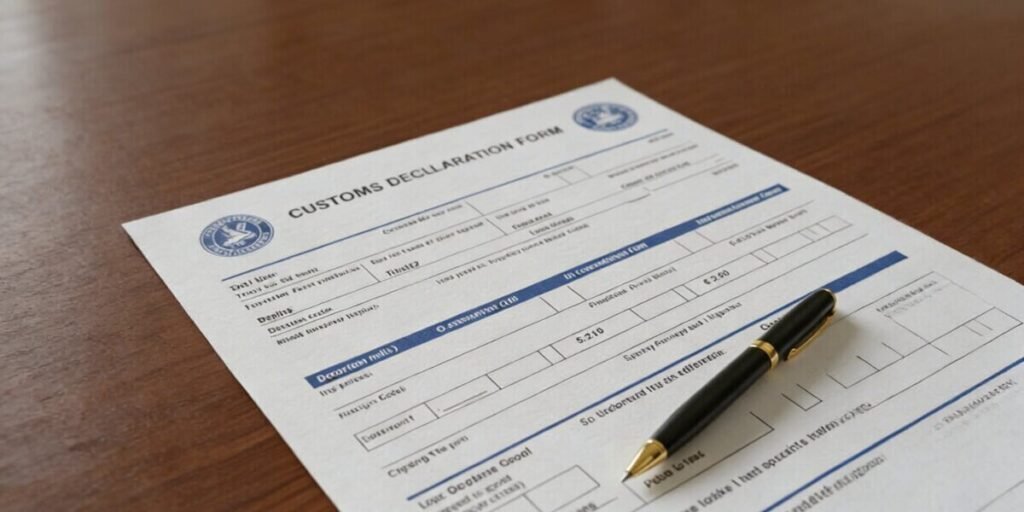
When it comes to customs, using the right form really matters, but in practice, it’s easy to get it wrong. The forms you need depend on the shipment type, the country you’re sending to, and sometimes even the courier. CN22 and CN23 are common for parcels, but a lot of countries have their own export or import forms, and using the wrong one can hold up your shipment or trigger extra fees. I’ve seen small packages stuck for days just because the wrong form was used.
For e-commerce sellers or businesses shipping internationally, this is one of the areas where mistakes are most common. Picking the wrong form can mean delays, extra charges, or even the shipment being returned. That’s why it’s worth checking exactly which form fits your shipment’s weight, value, and destination.
Experienced third-party customs agents make a huge difference here. They’ve seen all the tricky cases, know what each country expects, and can advise if extra documents are needed for batteries, chemicals, or electronics. They don’t just fill out the form for you, they help catch little details that often cause problems, like missing certificates or incorrect declared values. Getting the form right from the start doesn’t guarantee no delays, but it drastically reduces surprises and makes the clearance process much smoother.
Customs Inspection Tips for Third-Party Declarations
Customs inspections can be stressful if you’re not prepared, and in reality, they don’t always follow a predictable pattern. Some shipments are checked randomly, but certain goods like electronics, chemicals, batteries, or other high-risk items almost always get extra scrutiny. I’ve seen packages held up for days just because the paperwork wasn’t clear or a certificate was missing.
Working with an experienced third-party customs agent makes a big difference. They know what documents customs typically wants, how to organize them, and how to respond if customs asks for additional information. For example, if a shipment of batteries gets flagged, an agent can guide you on providing the right safety certificates quickly so it doesn’t get stuck.
In practice, knowing how inspections usually go, preparing for the what-ifs, and having someone who has navigated these situations before can save a lot of time and frustration. It doesn’t eliminate the possibility of checks, but it helps your shipments move through clearance faster and keeps you compliant with international shipping rules.
Common Third-Party Customs Declaration Mistakes to Avoid
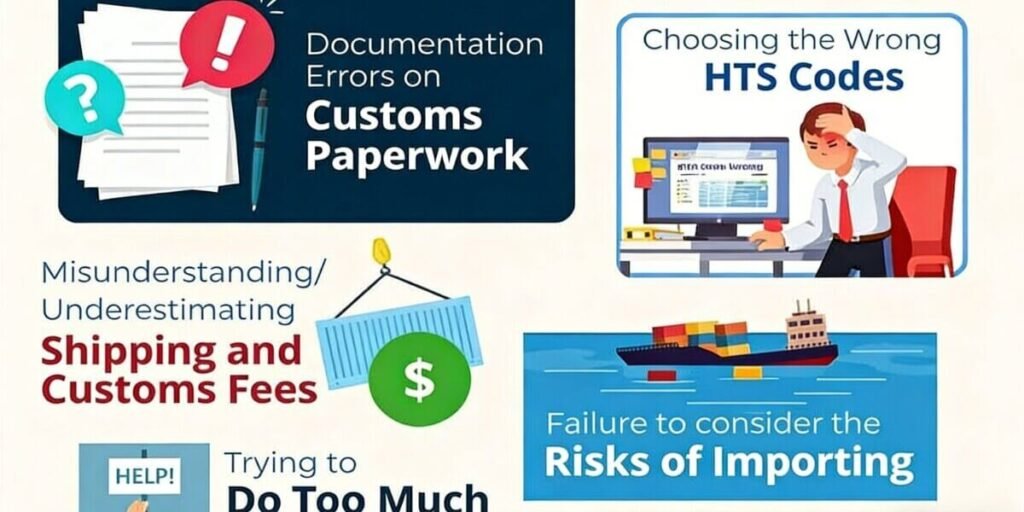
Customs declarations can be tricky, and even small mistakes can cause real headaches. One of the most common issues I’ve seen is using the wrong HS code. It seems like a small detail, but it can trigger fines or extra inspections. Another frequent problem is declaring the wrong value or having mismatched information between the invoice and the declaration. Missing or inconsistent documents are also a major reason shipments get delayed or even returned.
The good news is that most of these problems are avoidable if you know what to check. Working with an experienced third-party customs agent can save a lot of stress. They will review your forms carefully, make sure the declared values match your invoices, and confirm that all documents are complete and consistent. In my experience, these little checks make a huge difference. Paying attention to these details doesn’t just help your shipment move faster, it also keeps you compliant and prevents unnecessary fees. Taking these small but important steps makes international shipping much smoother and far less stressful.
FAQ: Third-Party Customs Declaration for Exporters and Importers
Using a third-party customs service can save a lot of headaches, especially if you ship internationally regularly. In practice, paperwork mistakes, mismatched HS codes, or missing documents are the main reasons shipments get delayed. Experienced agents know these pitfalls, can prepare the forms correctly, and make sure duties are calculated right. From my experience, having someone who’s handled dozens of shipments means fewer surprises at customs and faster clearance.
No service can completely guarantee zero penalties. Customs rules change, inspections happen, and mistakes can still occur. But a professional agent greatly reduces the risk. They catch inconsistencies, ensure you have the right permits, and help you avoid common mistakes that would otherwise trigger fines. In real life, it’s about risk management, not magic.
Absolutely. Batteries, liquids, chemicals, and other hazardous goods always attract extra scrutiny. They need proper labeling, certificates, permits, and secure packaging. I’ve seen shipments held for days just because a battery pack was missing a safety certificate. A knowledgeable agent guides you step by step, making sure each type of sensitive cargo meets the specific rules of the origin and destination countries.
Late or incomplete documents can hold up your shipment, trigger extra fees, or even cause the cargo to be returned. In practice, communication with your agent is key. Preparing all paperwork in advance and double-checking details saves time and prevents last-minute stress at customs.
Look for licensed agents with real experience handling shipments like yours. Ask for client references, check their compliance record, and make sure they understand both your country’s and the destination country’s regulations. From what I’ve seen, the right agent is worth their weight in gold they keep your shipments moving and prevent mistakes that could otherwise cost you time and money.
Benefits of Using Third-Party Customs Services
Using a third-party customs declaration service can make international shipping a lot less painful, but it’s not magic. In my experience, the biggest headaches come from small mistakes wrong HS codes, mismatched invoices and declarations, or missing certificates for sensitive goods like batteries, chemicals, or electronics. When those details are handled correctly and forms are submitted on time, shipments move much smoother and delays or fines become far less likely.
A good customs agent handles the tricky parts that often trip people up. They check HS codes, make sure all documents match, and guide you if customs asks for extra information. I’ve seen shipments stuck for days because a single certificate was missing, and having an experienced agent can prevent that.
This doesn’t remove all risks, but it does free your team from constantly chasing paperwork and helps keep your supply chain on track. Following these practical steps keeps shipments on schedule, reduces stress, and makes international shipping far more predictable.
How to Get Expert Help with Customs Declarations
If you want your shipments to move smoothly and stay compliant, working with a trusted third-party customs declaration service can make a big difference. From my experience, the paperwork, HS codes, and certificates for sensitive or regulated goods are where most delays happen. A reliable agent helps you get all of this right, making sure forms are accurate, submissions are on time, and potential issues are flagged before customs sees them.
We guide clients through real-world shipping challenges, including container booking, tracking, customs clearance, and handling multimodal transport. Whether your cargo includes hazardous items, electronics, or complicated export requirements, we focus on preventing problems rather than just reacting to them. Small things like mismatched invoices, missing permits, or unclear product descriptions can hold up a shipment for days, and an experienced team helps avoid those pitfalls.
Our goal is simple: make international shipping predictable and as stress-free as possible. You still need to provide accurate information and cooperate with customs, but having a seasoned agent on your side saves time, prevents unnecessary fines, and keeps your supply chain running reliably.
📩 vincent.qiu.logistics@gmail.com
📞 +86 15019337764
📷 Instagram @qiulogistics
Follow us for expert tips on export shipping and international freight, or reach out for personalized support for your next shipment.
Additional Resources for International Shipping Compliance
- FCL Export Basics: Types of Full Container Load Shipping
- Dangerous Goods Shipping Guide: Regulations, Documentation, and Safe Transport
- Short-Haul Trucking in International Logistics: The Key Link Between Ports, Warehouses, and Customs
- Shipping Counterfeit & Brand-Sensitive Goods Internationally: Tips and Best Practices
- International Logistics Solutions: Comprehensive Guide for Global Shipping