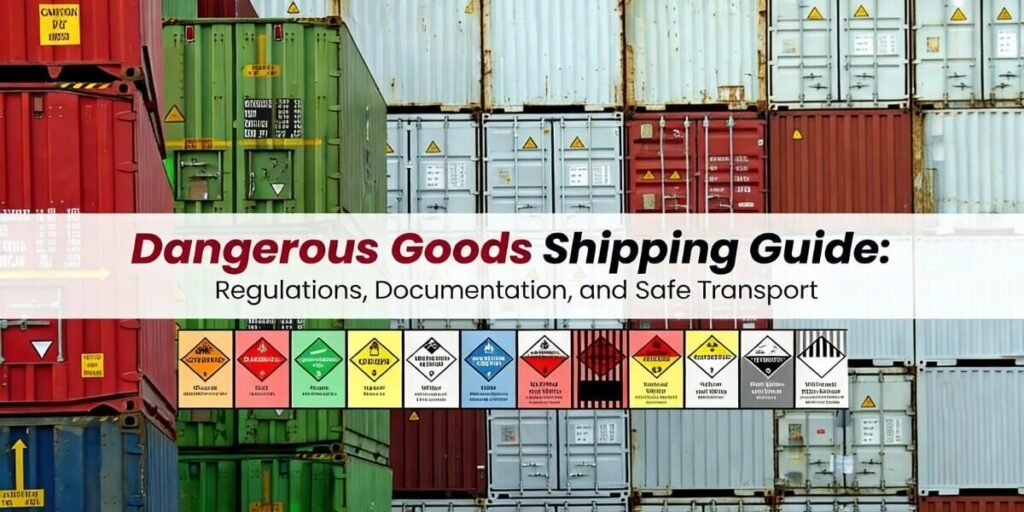
Dangerous Goods Shipping plays a critical role in international trade. Many products, such as batteries, chemicals, liquids, flammable materials, and other regulated items, are classified as hazardous cargo or special cargo. Transporting these items safely requires strict compliance with international rules, proper documentation, and careful handling to protect personnel and the supply chain. Even small mistakes in packaging, labeling, or paperwork can lead to delays, fines, cargo rejection, or serious safety hazards.
For a complete overview of the international freight export process, including documentation, container loading, and compliance steps, you can check out our detailed freight export guide.
Effective hazardous cargo transport also involves understanding key regulations, required shipping documents, and best practices for safe handling. Whether you are new to dangerous cargo logistics or seeking to improve compliance procedures, following these guidelines helps move regulated goods efficiently, legally, and securely across borders.
Understanding Hazardous Materials Transport in Global Logistics
What Qualifies as Dangerous Goods Under International Shipping Rules
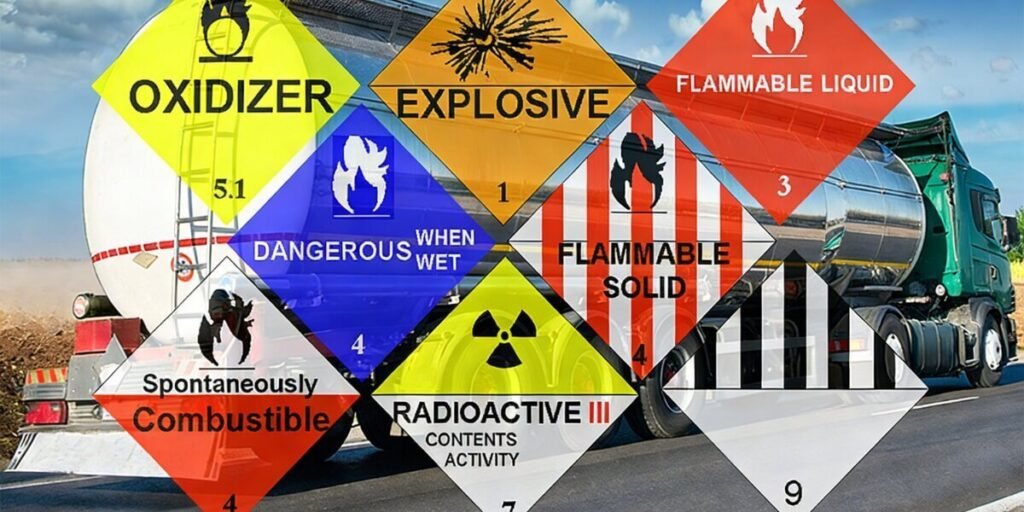
Dangerous Goods, often called DG, are substances or materials that can pose risks to people, property, or the environment during transportation. If they are not handled correctly, these goods may cause serious incidents. Because of their potential hazards, they are strictly regulated under international transport rules such as IMDG for sea shipping, IATA for air transport, and ADR for road transport.
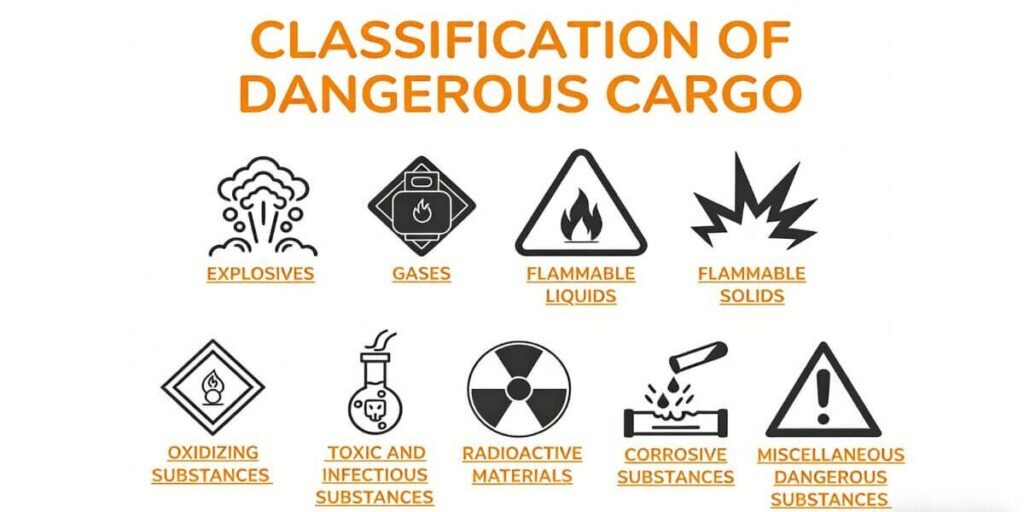
DG shipments must follow specific requirements for packaging, labeling, documentation, and handling. These rules help ensure safety throughout the entire transport process. To manage risks more effectively, dangerous goods are divided into different hazard classes. Each class is based on the type of danger involved, such as flammability, toxicity, or corrosiveness. Understanding these classifications is important for professionals working in shipping, logistics, and supply chain management.
Definition of Special Cargo in International Freight Operations
Special cargo refers to shipments that need extra attention during transport because of their unique characteristics. These goods are not classified as dangerous goods. They do not pose an immediate risk to health, safety, or the environment. However, mishandling can still lead to damage, spoilage, or delays. Common examples include perishable food, fragile items, high-value products, and sensitive equipment.
Due to their specific needs, special cargo often requires dedicated packaging or temperature control. Some shipments must also follow carrier-specific rules. Proper planning and careful handling help ensure these goods arrive safely and in good condition. For this reason, special cargo management plays an important role in modern logistics.
Why Dangerous and Special Cargo Cannot Be Treated as Regular Goods
Dangerous goods and special cargo cannot be treated like regular shipments. They involve unique risks or require specific transport conditions. For dangerous goods, improper handling or packaging can lead to serious incidents. These may include explosions, fires, chemical leaks, or environmental damage. This is why international regulations such as IATA for air transport, IMDG for sea shipments, and ADR for road transport strictly control classification, labeling, and documentation to maintain safety.
Special cargo may not be immediately hazardous, but it still needs careful handling. Items like perishable food, fragile products, high-value goods, live animals, or temperature-sensitive shipments can be easily damaged or spoiled. They may even be lost if treated as standard cargo. Using regular procedures can lead to delays, extra costs, or reduced product quality.
Proper packaging and handling are essential for both dangerous goods and special cargo. Compliance with international rules also plays a key role. These measures protect personnel and preserve cargo condition. They also help exporters and carriers avoid legal or financial problems.
Why Hazardous and Sensitive Cargo Cannot Move as General Freight
Shipping dangerous goods and special cargo internationally involves several critical risks that exporters must manage carefully. Safety remains the primary concern, as improper packaging, handling, or storage can cause accidents, injuries, or damage to personnel, equipment, and other cargo. Hazardous materials such as chemicals and flammable substances carry serious safety threats, while fragile or perishable special cargo can be easily damaged if not handled under proper conditions.
Regulatory compliance is another major challenge. International transport rules such as IATA for air, IMDG for sea, and ADR for road require accurate classification, labeling, documentation, and approved handling procedures. Failure to meet these standards can lead to fines, shipment refusal, or legal responsibility.
Financial consequences often follow operational mistakes. Non-compliance, cargo damage, or delays may result in penalties from carriers, customs authorities, or insurers, as well as additional storage costs or claims. Shipments may also be rejected or returned if packaging or documentation does not meet regulatory requirements, causing rerouting expenses and disruption to supply chains.
By understanding these risks and working with experienced logistics professionals, exporters can improve compliance, reduce disruptions, and ensure that dangerous and special cargo moves safely through international transport channels.
Common Typical Categories of Restricted and Controlled Cargo
| Icon | Dangerous Goods Type | Examples |
|---|---|---|
| 🔋 | Lithium Batteries & Battery Equipment | Lithium-ion batteries, battery packs, power banks |
| 🧪 | Chemicals, Liquids & Powders | Acids, solvents, industrial chemicals |
| 💥 | Flammable & Explosive Items | Fireworks, ammunition, gunpowder |
| ☣ | Corrosive Substances | Strong acids, corrosive chemicals |
| 🧴 | Liquid Products | Paints, oils, cleaning agents |
| 🖥 | Electrical Equipment | Laptops, servers, electronic devices containing batteries |
| 🧲 | Magnetic Materials | Magnets, magnetized equipment |
| 🧯 | Pressurized Items | Fire extinguishers, gas cylinders, aerosol sprays |
Essential Safety and Packaging Standards for Hazardous Shipments
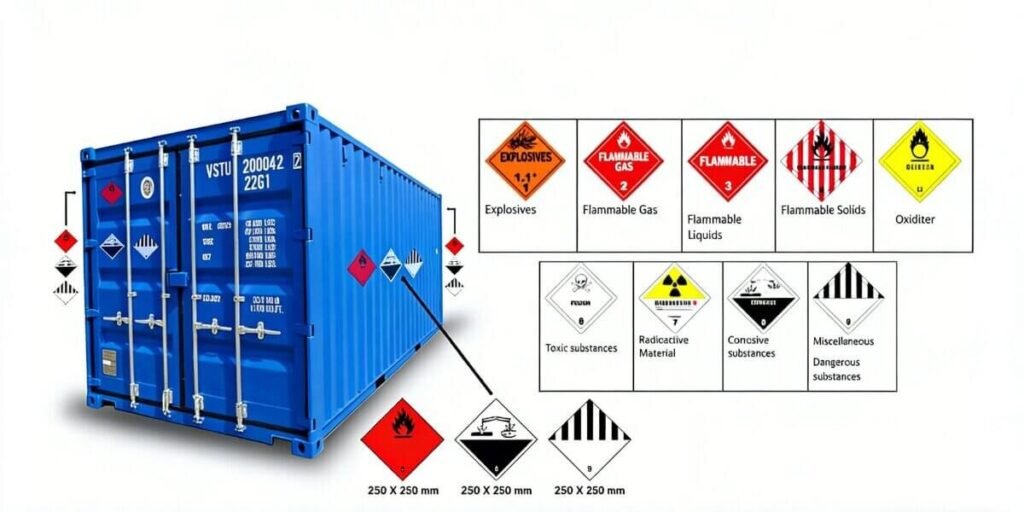
Shipping dangerous goods safely requires close attention to regulations. Even small mistakes can lead to fines, shipment refusal, or serious safety incidents. Each hazardous shipment must be correctly classified with a UN number and hazard class. This ensures that the risks are clearly identified. Exporters must also keep Material Safety Data Sheets, or MSDS, up to date. These documents give carriers and authorities detailed handling and emergency information.
Proper packaging is equally important. Every item must follow its assigned Packing Group, whether PG I, II, or III. This ensures the level of protection matches the substance’s risk. Shipments also need clear and compliant dangerous goods labels and markings. These labels help everyone involved understand the hazards.
Compliance with transport rules is essential. IATA regulations apply to air transport, while IMDG rules cover sea shipments. Local or regional laws govern road transport. Accurate documentation is also required. This includes shipping declarations, invoices, and certificates. These documents support legal compliance and smooth customs clearance.
By following these rules, exporters show professionalism and reduce operational risks. These measures protect personnel and cargo. They also help ensure that dangerous goods reach their destination safely and efficiently. Regulatory awareness is not just a formality. It is a key factor that helps prevent accidents, legal issues, and financial losses.
Why Regulated Cargo Is More Likely to Face Shipping Disruptions
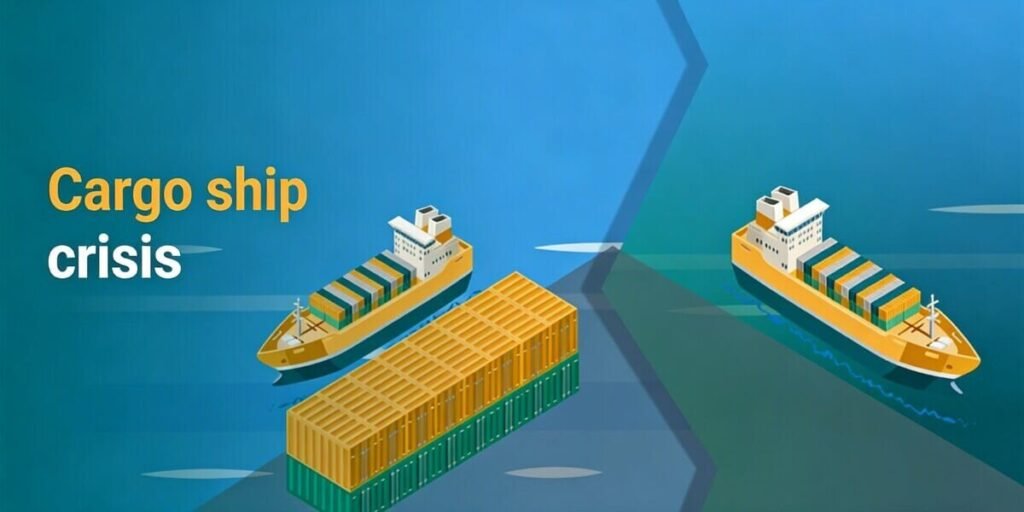
Dangerous Goods Shipping is much more complex than transporting regular cargo. Compliance requirements are strict, and the margin for error is very small. Even minor mistakes can halt a shipment completely. A small inaccuracy in the cargo declaration may be considered misdeclaration by customs, which can trigger inspections, unpacking, or penalties.
Airlines and shipping lines apply rigorous review standards to high-risk shipments. Any discrepancy in documentation, labeling, or packaging may lead to immediate rejection. If packaging does not meet UN standards, cargo may need to be repacked or, in some cases, returned to the sender. Incomplete or inconsistent paperwork can also prevent release at the port, often resulting in storage delays or costly return shipments.
Battery and electronic shipments are particularly sensitive. Issues with UN38.3 test reports, MSDS versions, packaging methods, labeling, or transport mode rules can trigger extra inspections or rejection. This is why hazardous cargo transport is not about offering the lowest price. It relies on regulatory knowledge, careful documentation, and practical experience with airlines and shipping lines. Professional providers create value by preventing problems before they occur, rather than trying to fix them later.
Our Approach to Safe Handling of Sensitive and Hazardous Freight
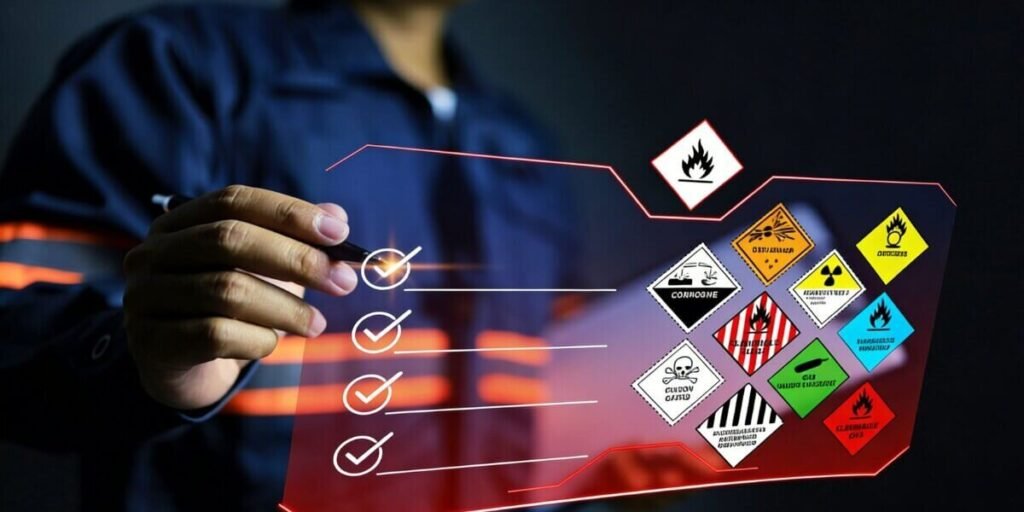
Transporting dangerous goods is more than moving cargo. It requires strict control and compliance at every stage. This keeps shipments safe, stable, and fully compliant. With standardized procedures and hands-on experience, we manage each step from preparation to final delivery.
Our process starts with professional cargo classification and UN number verification. We also assess transport conditions in advance. Potential risks are identified early to prevent inspections, delays, or shipment rejection. We provide detailed document review and declaration support. Our team checks MSDS, UN38.3 reports, battery test documents, dangerous goods certificates, and transport assessment reports. This ensures all submissions are accurate and consistent. It also reduces the risk of misdeclaration.
On the operational side, we guide clients on compliant packaging. We help select UN standard packaging and correct inner and outer packaging combinations. We also ensure proper labeling, marking, and reinforcement. These steps prevent repacking, shipment refusal, or returns caused by packaging issues. Our warehousing management follows strict safety standards as well. Cargo classification and risk segregation are applied before shipments leave the warehouse.
For shipments with special requirements, we design tailored loading solutions. These include segregation plans, shock protection, temperature control, and leak prevention measures. These steps help maintain stability and safety during transport. We operate through both sea and air freight channels. This allows flexible transport solutions based on cargo type and urgency.
At the destination, we work closely with professional customs clearance agents. Import compliance requirements are aligned in advance. This reduces uncertainties upon arrival and supports smooth coordination between export and import procedures.
Our services go beyond transportation. We provide a complete risk prevention system. This ensures dangerous goods reach their destination safely, efficiently, and in full compliance with regulations.
Frequently Asked Questions About Shipping Regulated Cargo
Yes, dangerous goods can be transported by air, but only if they fully comply with IATA (International Air Transport Association) regulations. This means proper classification, accurate declaration, approved packaging, and correct labeling are all mandatory. Shipments that do not meet these standards will be rejected immediately.
Yes, most lithium batteries are considered Class 9 Dangerous Goods because of their fire and heat risks. They must meet strict requirements, including UN38.3 testing, packaging standards, labeling, and transport restrictions to ensure safe air or sea shipping.
Commonly required documents include the Material Safety Data Sheet (MSDS), Dangerous Goods Declaration (DGD), packing list, commercial invoice, and compliant hazard labels. Depending on the type of cargo, additional test reports or certificates may also be necessary.
Some special cargo may be transported as general cargo under specific conditions, but many items still require special handling, packaging, or declaration. Misclassification can cause compliance problems, shipment delays, or even fines.
Shipments are most often rejected due to incorrect or inconsistent documentation, non-compliant packaging, missing or inaccurate labels and markings, or undeclared dangerous goods. Even small errors can lead airlines, shipping lines, or customs authorities to refuse the shipment.
Best Practices for Managing Risk in International Cargo Transport
Transporting dangerous goods and special cargo requires higher safety and compliance standards than regular shipments. Accurate documentation and proper declarations are essential from the start. Packaging must meet international regulations, and the right transport mode should be selected based on cargo type and risk level. Each step requires careful planning and practical experience.
Customs clearance at the destination is equally important. Mistakes in paperwork or classification can lead to delays, fines, or cargo rejection. Working with a logistics provider who understands global regulations helps reduce these risks. Professional handling ensures shipments move smoothly and arrive safely and on time. Exporters gain confidence knowing their cargo is managed correctly from origin to final delivery.
Need Professional Support for Hazardous, Sensitive, or FCL Shipments?
We provide practical guidance and expert support for international logistics, helping businesses handle shipments safely and in full compliance with regulations. Our services cover everything from container booking and shipment tracking to customs clearance and multimodal transport, ensuring your cargo moves smoothly, reliably, and cost-effectively.
Whether your shipment includes sensitive goods, regulated materials, or complex export requirements, we focus on risk prevention, accurate documentation, and seamless coordination at every stage. Our goal is to make international shipping safe, efficient, and stress-free for every client.
📩 vincent.qiu.logistics@gmail.com
📞 +86 15019337764
📷 Instagram @qiulogistics
Follow us for expert tips on export shipping and international freight, or reach out for personalized support for your next shipment.
More Resources on Global Freight Compliance and Special Cargo Logistics
- FCL Export Basics: Types of Full Container Load Shipping
- Third-Party Customs Declaration: Key Compliance Steps for Safe Shipping
- Short-Haul Trucking in International Logistics: The Key Link Between Ports, Warehouses, and Customs
- Shipping Counterfeit & Brand-Sensitive Goods Internationally: Tips and Best Practices
- International Logistics Solutions: Comprehensive Guide for Global Shipping