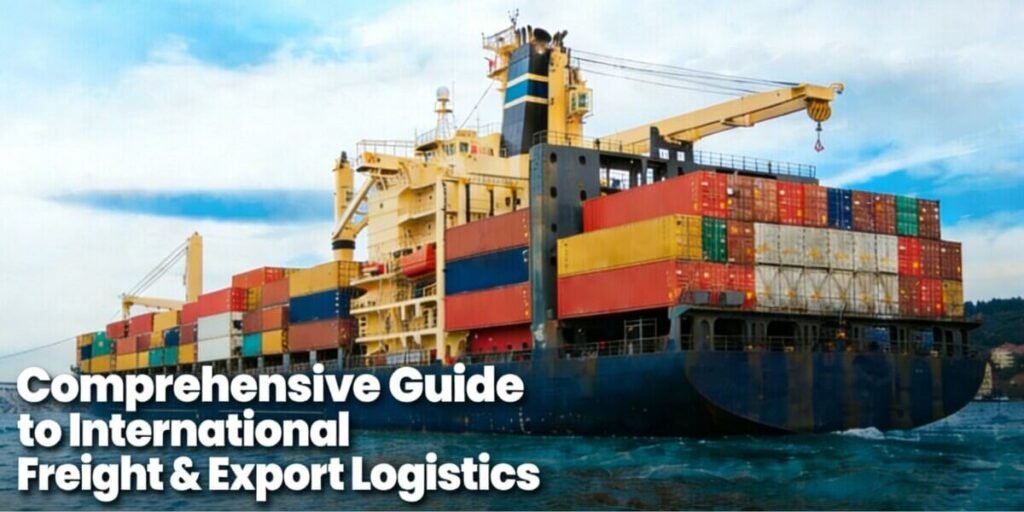
International freight and export logistics are the backbone of global trade, helping businesses move goods safely and efficiently while staying compliant with international regulations. Managing cross-border shipments involves more than transportation; it requires understanding full container load operations, handling sensitive and hazardous cargo, navigating customs procedures, and coordinating smoothly between ports and inland transport.
For exporters and importers, these processes can be complex. Delays, regulatory penalties, and cargo damage are common challenges. This guide provides a practical roadmap for managing international freight and export logistics, covering operational steps, real-world case studies, risk mitigation strategies, and professional recommendations to ensure timely delivery and regulatory compliance.
FCL Shipping / Full Container Export
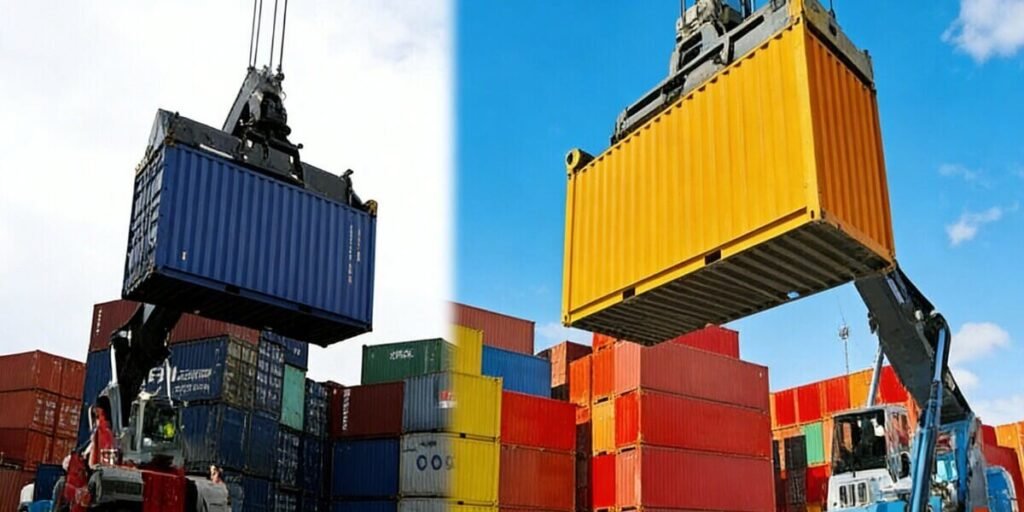
Understanding FCL Shipping: Full Container Export for Global Trade
FCL, or Full Container Load, is a shipping method where an entire container is reserved for a single shipment. Unlike LCL, which mixes cargo from different customers, FCL lets businesses move large volumes more efficiently and securely. Having exclusive use of the container reduces the risk of damage, contamination, or delays caused by other shipments. It is especially useful for bulk products, high-value goods, or sensitive cargo that need full control over loading, handling, and transit conditions.
For a deeper dive into the basics of full container export, you can check our detailed guide on FCL Export Basics.
Managing FCL shipments properly involves more than just booking a container. Careful planning of the cargo arrangement is required. Coordination with carriers and understanding container capacities are also essential. Scheduling around port operations and inland transport timelines is another critical step. When done well, FCL shipping offers reliable delivery schedules, cost-effectiveness, and smooth integration with broader international freight operations. For many exporters, it provides confidence that goods will arrive safely, on time, and in the same condition they were loaded.
Cost-Saving Benefits of FCL Shipping in International Freight
FCL shipping offers several advantages for international exporters, especially those handling large or high-value shipments. First, it is highly cost-effective. Reserving an entire container allows companies to spread shipping costs across a large volume of goods. This usually results in a lower per-unit cost compared to sending multiple smaller shipments via LCL.
Another key benefit is security. Because the container is dedicated to a single shipment, the risk of damage, contamination, or loss from other cargo is greatly reduced. This makes FCL ideal for sensitive or high-value items that require careful handling throughout the journey.
FCL also improves operational efficiency. Loading and unloading are simpler and more predictable, giving businesses better control over cargo placement and handling. Coordination with ports and inland transport becomes smoother. Customs clearance can also be faster because the container contains a single, well-documented shipment.
Additionally, full container export allows companies to plan logistics more effectively, reduce delays, and maintain reliable delivery schedules. These advantages make FCL a dependable and strategic solution for businesses aiming to optimize international freight operations and streamline container logistics from end to end.
Step-by-Step Guide to FCL Export from Booking to Delivery
The FCL shipping process has several key steps that exporters need to follow to keep shipments running smoothly. It starts with booking the container. The exporter reserves the right type and size with the carrier and confirms the schedule to match their shipment plan.
Next comes cargo preparation and loading. Goods must be packed carefully and arranged efficiently to make the best use of space while staying secure during transit. Proper loading helps prevent damage and makes handling easier at both departure and arrival ports.
After loading, the container moves into the export stage. This includes preparing all necessary documentation, arranging customs clearance, and transporting the container to the port of departure. Each of these steps requires attention to detail to avoid delays or fines.
When the container reaches the destination port, it goes through local customs procedures and inspections if needed. Any additional handling is completed before the cargo can be picked up or delivered to the final customer.
Careful planning and coordination at every stage are crucial. By following this process properly, businesses can reduce risks, keep shipments on schedule, and maintain control over their international freight and container logistics operations.
Sensitive & Hazardous Cargo Transport

Best Practices for Shipping Hazardous and Sensitive Cargo Internationally
Hazardous and sensitive cargo refers to goods that require special attention during shipping because of safety, regulatory, or operational risks. Hazardous cargo includes items like batteries, flammable liquids, chemicals, and other materials classified as dangerous under international shipping regulations. Sensitive cargo, on the other hand, covers fragile or high-value items and goods that are subject to strict rules, such as medical supplies, electronics, and specialized equipment.
Proper identification, classification, and documentation are crucial to ensure these shipments move safely and comply with regulations. Incorrect handling or missing paperwork can lead to delays, fines, or even safety incidents. That’s why working with experienced logistics professionals is so important. They help plan packaging, labeling, transport methods, and contingency measures, ensuring hazardous and sensitive cargo travels securely from origin to destination.
For exporters looking for a complete reference, our Dangerous Goods Shipping Guide provides detailed steps and tips to handle hazardous cargo safely and in compliance with international regulations.
Packaging and Compliance Tips for Exporting Dangerous Goods
Proper packaging, labeling, and compliance with shipping regulations are absolutely essential when handling hazardous and sensitive cargo. Items such as batteries, liquids, and other special cargo must be packed in containers that are officially approved for transport. These containers help prevent leaks, damage, or short circuits throughout the shipping process.
Labeling is equally important. Each container should clearly indicate the type of cargo, handling instructions, and any required hazard symbols so that carriers, port staff, and customs officials can manage it correctly. International shipping rules also require complete documentation, permits, and strict adherence to safety protocols. Following these procedures carefully protects both the cargo and the personnel handling it. It also ensures smooth customs clearance and keeps international freight operations efficient. Experienced logistics teams play a key role by making sure that every step, from packing to documentation, is done correctly so that shipments arrive safely and on time.
How to Avoid Common Risks in Hazardous Cargo Transport
Shipping hazardous and sensitive cargo comes with more operational and regulatory risks than regular freight. One of the most common issues is improper classification, especially when dealing with batteries, liquids, or other special cargo. If goods are misdeclared, shipments can be delayed, fined, or even rejected at the port. To prevent this, it is crucial to identify and document every item accurately according to international shipping regulations.
Inadequate packaging is another major risk. Sensitive cargo that is poorly packed may leak, break, or become damaged during transit, which can create safety hazards and financial losses. Using certified containers and following approved packing standards is essential to keep cargo secure.
Documentation errors are also a frequent challenge. Missing permits, incorrect customs forms, or incomplete compliance documents can slow down customs clearance and increase storage costs. Working with experienced logistics teams ensures that all paperwork meets export compliance requirements and avoids unnecessary delays.
Handling and transport pose additional risks, such as improper loading, exposure to extreme temperatures, or rough handling. Proper labeling, trained handling personnel, and controlled transport conditions are key to keeping cargo safe throughout the journey.
By combining correct classification, compliant packaging, accurate documentation, and professional logistics management, businesses can significantly reduce risks and ensure that hazardous and sensitive cargo reaches its destination safely, on time, and in good condition.
Case Study: Efficient Export of Batteries and Liquid Shipments
Client: Mr. David Nkosi (South Africa)
Vincent Qiu and Mr. David Nkosi, a South African importer, faced strict customs control when a shipment of lithium batteries and regulated liquid products arrived in South Africa. The authorities require detailed compliance for hazardous cargo, including correct UN classification, approved packaging standards, and complete transport documentation. Without careful preparation, the shipment could have faced serious delays or penalties.
Vincent Qiu, Head of Global Logistics, personally reviewed the shipment with his team. They carefully checked the UN numbers, confirmed that the packaging met all safety standards, and ensured that hazard labels and handling marks were displayed correctly. Every document, including MSDS files, transport declarations, and customs paperwork, was examined line by line to avoid any discrepancies.
During the clearance process, Vincent’s team maintained close communication with local customs brokers and port authorities. When additional technical clarification on the battery specifications was requested, they promptly provided supporting documents and compliance certificates. Transport arrangements were adjusted as needed to ensure safe handling throughout the journey.
Thanks to these careful measures, Mr. Nkosi’s shipment passed inspection without any issues, avoided storage charges and penalties, and arrived on schedule.
This case shows that handling regulated and hazardous cargo successfully relies on correct classification, accurate documentation, and experienced logistics coordination. In international freight, professional handling often makes the difference between costly delays and smooth delivery.
Customs & Compliance

Export Customs Clearance Explained for Smooth International Shipping
From a logistics perspective, export customs clearance is a key control step before cargo can leave the country. It is not just paperwork, but a process that ensures every shipment meets regulatory requirements and avoids delays or penalties.
We begin by carefully checking all documents, including the commercial invoice, packing list, HS codes, and cargo descriptions. For sensitive or hazardous goods, export licenses, permits, and safety documents must also be verified. Accurate information at this stage is critical because customs decisions are based on declared data.
Once the declaration is submitted, customs may conduct a document review or a physical inspection. During this stage, we stay in close contact with customs brokers and authorities, ready to provide additional details if needed. Duties and related fees are confirmed, and any issues are corrected immediately to prevent shipment holds.
After approval is granted, the goods are cleared for export and can move to the port or airport. A well-managed clearance process helps businesses avoid fines, storage charges, and shipment rejection, while keeping international logistics smooth and predictable.
For a detailed explanation of how professional support can simplify this process, check out our guide on Third-Party Customs Declaration.
How Third-Party Customs Support Improves Export Logistics Efficiency
In day-to-day export operations, using a third-party customs declaration service can make the process much smoother and ensure compliance with complex regulations. From a logistics perspective, I know how easy it is for paperwork to go wrong. Commercial invoices, packing lists, and permits for sensitive or hazardous cargo all need to be accurate. Third-party providers bring experience and expertise, handling these documents correctly and reducing the risk of errors or shipment delays.
Outsourcing customs declaration also improves overall efficiency. It allows us to focus on our core operations instead of getting bogged down in the details of customs procedures. Many providers also offer guidance on duty optimization, risk management, and resolving unexpected issues, helping us avoid fines, penalties, or rejected shipments. Partnering with a reliable third-party customs agent ultimately keeps shipments moving smoothly and supports more dependable international freight operations.
Essential Documentation and Permits for Compliant Export Freight
From a logistics perspective, ensuring export compliance is crucial to keeping shipments moving smoothly and avoiding delays, fines, or even rejection at customs. Accurate documentation is a must. Commercial invoices, packing lists, export licenses, and any necessary permits for sensitive or hazardous cargo all need to be correct. Duties and taxes must also be calculated and paid in line with the destination country’s rules.
Some shipments require special permits or certifications, especially when dealing with regulated or hazardous goods. Staying up to date with these requirements and working closely with experienced logistics partners makes a real difference. It ensures that all documents, payments, and permits are handled correctly, which keeps the process efficient and helps avoid unexpected problems during international freight operations.
Case Study: Avoiding Port Delays and Penalties with Proper Planning
One of our clients, Mr. David Thompson, who was importing a shipment of electric bikes, faced serious challenges during customs clearance at a South African port. Incomplete documentation and the regulatory complexities around sensitive cargo put the shipment at risk of delayed pickup, which could have led to expensive port storage fees and fines.
With professional logistics support, we quickly assessed the situation and took action. Our team carefully reviewed all customs documents, verified the cargo classification, and coordinated directly with customs officials to ensure full compliance and accurate clearance. Missing paperwork was completed without delay, and ongoing communication with port authorities prevented any further issues.
Thanks to these efforts, Mr. Thompson’s shipment cleared customs successfully, and he was able to collect the cargo on time, avoiding potential fines and extra charges. This case clearly demonstrates how experienced handling of customs procedures, documentation, and compliance can protect businesses and keep international freight operations running smoothly.
Inland & Drayage Transport
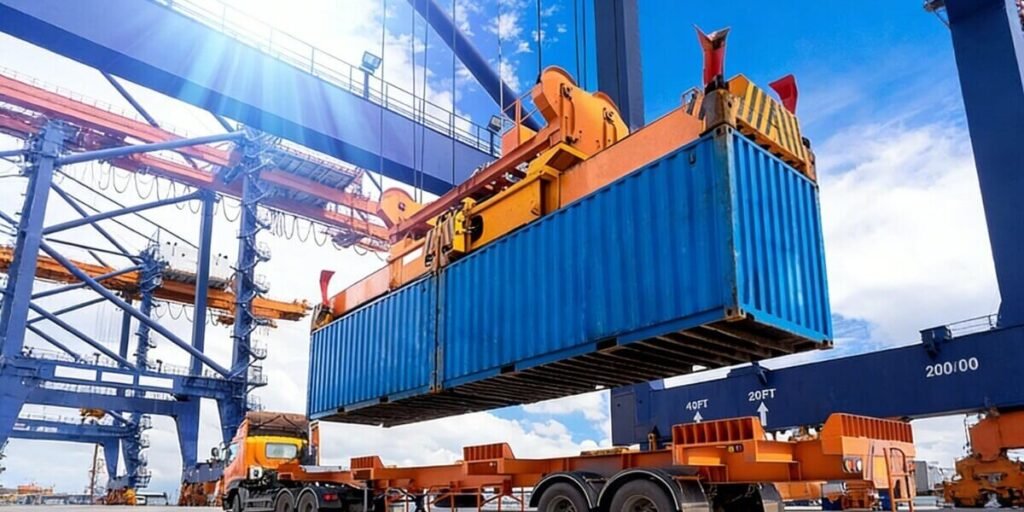
Efficient Inland and Drayage Transport from Port to Warehouse
From a logistics perspective, efficient inland and drayage transport is a key part of keeping international freight moving smoothly. Drayage services take care of short-distance container moves from the port to nearby storage or consolidation facilities, helping to avoid congestion and ensure timely unloading. From there, inland trucking handles the next step, moving goods from warehouses to customers or regional distribution centers and completing the last-mile delivery.
For businesses looking to optimize short-distance trucking and drayage operations, our guide on Short-Haul Trucking in International Logistics provides practical tips and strategies.
Coordinating port operations with warehouse handling and final delivery is essential to maintaining supply chain continuity. Proper planning helps prevent delays, reduces extra storage or demurrage fees, and keeps shipments on schedule. Working with experienced drayage and inland transport providers ensures that containers and cargo move efficiently, safely, and reliably throughout the export process.
Importance of Drayage Services in Global Export Logistics
From a logistics perspective, drayage services are a crucial part of international freight operations. They handle the short-distance movement of containers between ports, warehouses, and distribution centers, a task that is often underestimated but essential. Proper drayage helps prevent congestion at busy ports, reduces storage and demurrage fees, and keeps cargo flowing smoothly through the supply chain.
Experienced drayage providers make a real difference by ensuring containers are picked up on time, handled safely, and delivered accurately to warehouses or inland transport hubs. Integrating professional drayage services into the export process allows businesses to optimize port operations, improve delivery reliability, and maintain seamless movement of goods from origin to destination.
Tips to Streamline Freight Flow and Improve Delivery Efficiency
From a logistics perspective, optimizing efficiency is key to keeping international freight operations running smoothly and ensuring cost-effective exports. In practice, this means coordinating closely with drayage providers and inland transport operators to make sure containers are picked up and delivered on time. Careful planning of port operations, including booking slots and scheduling unloading, helps prevent congestion and unnecessary delays.
Accurate documentation and proper cargo consolidation also play a major role in reducing handling errors and avoiding customs setbacks. On top of that, using real-time tracking and communication tools allows us to spot potential issues early and address them before they impact the supply chain. By applying these strategies, businesses can streamline operations, control costs, and maintain reliable international freight and export logistics performance.
Brand & Regulated Cargo Solutions
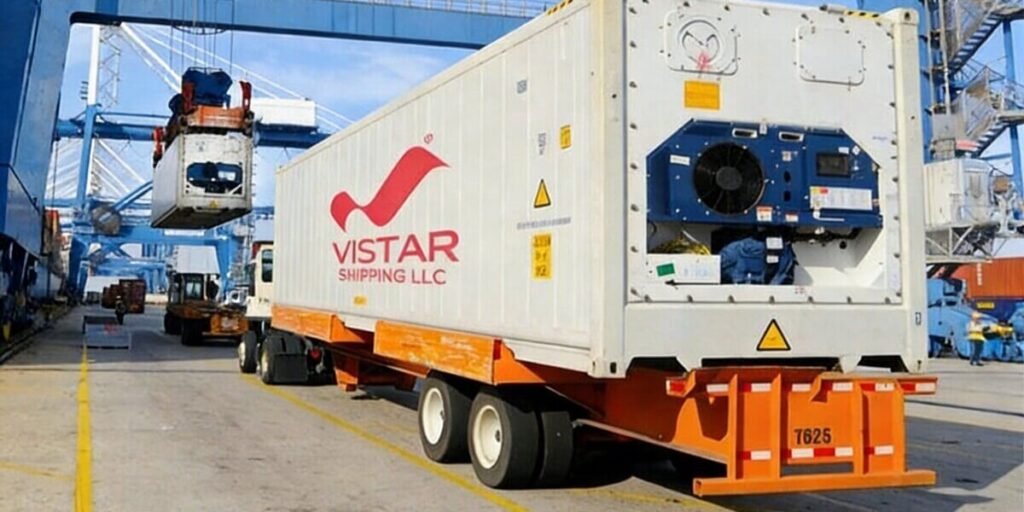
Handling Brand-Protected and High-Value Cargo for Export
From a logistics perspective, brand-protected and regulated cargo requires special attention due to legal restrictions, intellectual property concerns, or safety regulations. These shipments often include high-value products, luxury items, pharmaceuticals, or electronics that demand strict quality control and regulatory oversight. Handling them properly means following local and international export laws, preparing accurate documentation, and using secure packaging to prevent damage, theft, or counterfeiting.
For exporters looking for practical tips, see our guide on brand-sensitive cargo.
In practice, this also involves sensitive handling procedures and careful monitoring throughout the supply chain to maintain the integrity of the goods. Understanding the unique requirements of brand-protected and regulated cargo allows logistics teams to implement specialized solutions that keep shipments safe, compliant, and reliable.
Professional Solutions for Regulated and Sensitive International Freight
From a logistics perspective, transporting brand-protected and regulated cargo requires careful planning and specialized solutions to ensure safety, compliance, and reliability. Following export regulations closely is critical, including accurate documentation, customs approvals, and adherence to local and international laws.
Cargo insurance is another key component, providing financial protection against loss, damage, or theft during transit. This is especially important for high-value or sensitive shipments. Specialized packaging also plays a major role in protecting fragile, perishable, or valuable items. This can include tamper-proof seals, reinforced containers, or climate-controlled solutions when necessary.
By combining strict compliance, proper insurance, and tailored packaging, logistics teams can move sensitive or regulated cargo with confidence. This approach reduces risk and helps ensure smooth, reliable international freight operations from origin to destination.
Case Study: Successful Delivery of Brand-Sensitive Cargo to West Africa
One of our clients, Mr. James Carter, needed to ship brand-protected automotive parts to multiple ports in West Africa, including Côte d’Ivoire, Nigeria, and South Africa. These items were sensitive and regulated. The risk of customs delays or fines was high at each port.
Vincent, our logistics specialist, took the lead on the shipment. He first reviewed all documentation and compliance requirements for every destination. He made sure each permit, invoice, and certificate was accurate and up to date. Knowing the cargo’s value and sensitivity, he recommended specialized packaging with tamper-proof seals. He also arranged comprehensive insurance to protect against loss or damage during transit.
During the shipment, Vincent coordinated directly with local customs officials. He addressed questions and potential issues before they could cause delays. He monitored the cargo in real time, provided updates to the client, and adjusted plans as needed. Thanks to his hands-on approach, the shipment cleared customs smoothly at all ports. It avoided fines or storage fees and arrived safely at the client’s warehouses on schedule.
This case shows how having an experienced logistics professional like Vincent makes a real difference. His expertise in compliance, packaging, insurance, and proactive problem-solving ensured a smooth and reliable international freight operation, even in complex regions.
Comprehensive Export Solutions
Integrated Export Services for Smooth International Freight Management
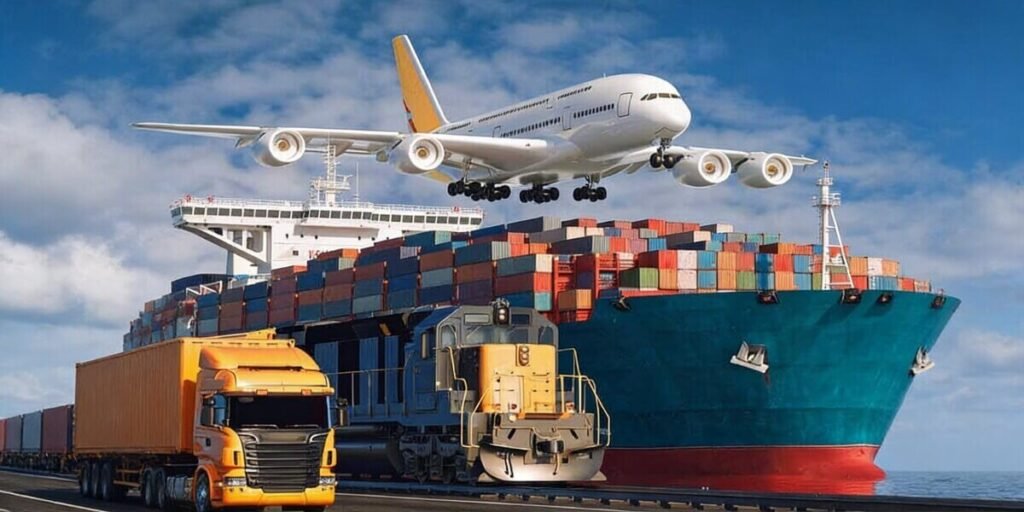
From a logistics perspective, a comprehensive export solution focuses on managing every step of international freight efficiently and safely. This includes coordinating all aspects of the process, including FCL shipping, sensitive cargo handling, customs clearance, inland transport, and final delivery. When each step is properly managed, shipments remain compliant, reliable, and cost-effective. For detailed guidance on optimizing your international shipments, check out our export logistics best practices guide.
Partnering with a full-service logistics provider streamlines the entire export process. Accurate documentation, smooth port operations, efficient drayage, and specialized packaging all work together to minimize risks and enhance supply chain efficiency. These one-stop solutions also reduce administrative burdens for clients, providing visibility and control over shipments while allowing businesses to focus on their core operations.
This approach is particularly valuable for complex shipments, high-value products, or brand-protected cargo. With careful planning and expert management, even challenging shipments can reach their destinations on time and in perfect condition, giving clients confidence in their international freight operations.
Benefits of Full-Service Freight Management for Export Businesses
When it comes to international shipping, having a comprehensive export solution makes life a lot easier. From my experience handling shipments for clients, coordinating FCL containers, sensitive cargo, customs clearance, inland transport, and brand-protected goods all under one roof really keeps things running smoothly.
I remember a recent case where we managed a high-value electronics shipment for a client. By overseeing every step, including checking documents, arranging drayage, confirming customs approvals, and ensuring the cargo was packed securely, we avoided delays that could have cost the client thousands in storage fees. With a single logistics partner managing the whole process, communication stayed clear, issues were solved quickly, and the shipment arrived on time and intact.
For companies dealing with valuable or regulated cargo, having this kind of integrated support is not just convenient it is essential. It reduces risk, saves time, and gives peace of mind knowing someone is watching over every step of the shipment.
How to Plan End-to-End Export Strategies for Seamless Shipping
When it comes to exporting goods internationally, having a solid plan from start to finish really makes a difference. I usually start by looking at the type of cargo. Is it a standard container, sensitive items, or brand-protected products? This matters because it affects everything from packaging to compliance and how we handle the shipment.
Then I focus on customs. All the paperwork, permits, and duties need to be correct. Missing something can easily cause delays or fines. At the same time, I coordinate inland transport and port operations in advance, making sure drayage, warehouse handling, and last-mile delivery are all lined up.
For high-value or sensitive shipments, I always build in extra safeguards. That includes cargo insurance and contingency plans if anything unexpected happens. Working with a full-service logistics team allows me to manage all of this in one go, keeping things smooth and giving the client clear visibility throughout the process.
In my experience, planning this way not only keeps shipments on time and compliant, it also takes away a lot of the stress for the client. Every step is covered, risks are minimized, and the cargo reaches its destination safely and reliably.
Frequently Asked Questions on Global Export Logistics and Freight
If you have a large shipment, valuable, or sensitive items, FCL (Full Container Load) is the safest and fastest option. LCL (Less than Container Load) lets you share a container with other exporters, which is cheaper for small shipments but can take longer and involve more handling. The choice depends on your cargo size, value, and how quickly you need it delivered.
Hazardous cargo must be classified correctly according to international rules. You need proper documents, approved packaging, labels, and sometimes permits. Working with experienced logistics providers helps avoid fines, delays, or having your shipment rejected.
You’ll typically need commercial invoices, packing lists, export licenses, and permits for sensitive or hazardous items. Complete and accurate paperwork keeps customs smooth and avoids extra fees or delays.
Port drayage is the short-distance transport from the port to warehouses or consolidation centers. Usually, it takes 1–3 days, depending on congestion, customs checks, and coordination. Using professional drayage services can help prevent delays and extra charges.
Brand-protected cargo needs secure packaging, insurance, and close monitoring throughout transport. High-value or sensitive items are at risk of damage, theft, or counterfeit issues. A reliable logistics partner ensures your cargo stays safe and compliant.
Key Tips for Efficient International Freight and Export Operations
From my experience in international freight, success really comes down to handling six key areas properly. These are FCL shipping, sensitive cargo, customs clearance, inland transport, brand-protected shipments, and comprehensive export planning. Each of these steps matters if you want goods to move on time, safely, and without running into compliance issues.
When I work with clients, I make sure every step is covered. For example, with FCL shipments I check container bookings and drayage schedules carefully. For sensitive or high-value cargo, I double-check packaging, permits, and insurance. Customs is another area where mistakes can be costly, so I personally review documents and coordinate with local authorities before the shipment even leaves. Inland transport and final delivery are also planned in advance to avoid delays once the cargo is off the port.
Working with a professional logistics team makes a huge difference. We help clients navigate tricky regulations, anticipate risks, and keep the supply chain running efficiently. Planning carefully, keeping documents accurate, and following compliance rules not only prevents fines and delays but also keeps operations smooth from origin to destination. In my experience, covering these six areas properly is the difference between a shipment that arrives on time and one that causes headaches for everyone involved.
Connect with Experts for Professional Export Logistics Support
If you want to make international shipping easier and worry less about delays or compliance issues, the first step is getting the right support. From my experience, having a professional logistics team overseeing your shipment makes a huge difference. We handle everything from FCL shipping and sensitive cargo to customs clearance, inland transport, and brand-protected items, making sure every step is covered.
When a client comes to us, we don’t just process paperwork. We review their documents, plan port operations, coordinate drayage, and even check packaging and insurance for high-value or regulated cargo. This hands-on approach helps prevent delays, fines, and unnecessary stress.
If you’re ready, we can walk you through a free export logistics assessment or provide a personalized quote tailored to your shipment. Along the way, we share practical tips and best practices that we’ve learned from handling real shipments, so you know exactly what to expect.
Taking that first step with a trusted logistics partner gives you peace of mind. Your cargo moves safely, efficiently, and fully compliant from origin to destination, and you can focus on growing your business instead of worrying about logistics.
We provide practical guidance and expert support for international freight and export logistics, helping businesses ensure safe, efficient, and compliant cargo delivery.
📩 vincent.qiu.logistics@gmail.com
Follow us for more tips on FCL shipping, sensitive cargo handling, customs clearance, and inland transport, or contact us for personalized logistics solutions tailored to your export needs. 🚢✈️📦
Related Guides for Global Export Logistics and Freight Management
- FCL Export Basics: Types of Full Container Load Shipping
- Dangerous Goods Shipping Guide: Regulations, Documentation, and Safe Transport
- Third-Party Customs Declaration: Key Compliance Steps for Safe Shipping
- Short-Haul Trucking in International Logistics: The Key Link Between Ports, Warehouses, and Customs
- Shipping Counterfeit & Brand-Sensitive Goods Internationally: Tips and Best Practices
- International Logistics Solutions: Comprehensive Guide for Global Shipping